Introduction
Most homeowners know they are supposed to aerate. They have heard the word, seen the equipment on a truck, maybe gotten a flyer in the mail. But life gets busy, and aeration is easy to push off because nothing looks obviously wrong the day you skip it.
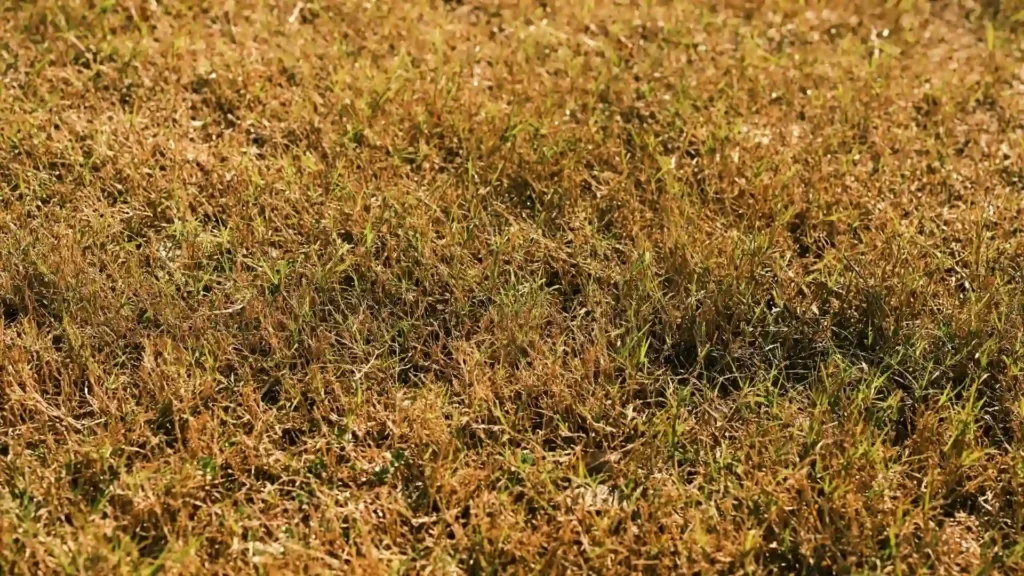
That is exactly what makes compaction so damaging. It builds slowly and silently. One skipped year is rarely a disaster. Two years starts to show. Three or more years and you are often dealing with a lawn that is visibly thinner, weedier, and far more difficult to recover than if aeration had simply stayed on the schedule.
This guide is for homeowners who want to understand exactly what happens to a lawn that does not get aerated, and why putting it back on the calendar is one of the highest-return decisions you can make for your property.
Compaction Gets Worse Every Single Year
Soil compaction is not a static problem. It compounds. Every mowing pass, every rainstorm, every time a child or pet runs across the yard, the soil particles pack tighter together. Without aeration to relieve that pressure, compaction increases year over year.
Northwest Arkansas soils are particularly prone to this. Clay-heavy soil compacts faster and more severely than sandy loam. Homeowners in Rogers, Bentonville, and Springdale are dealing with a soil type that simply does not recover from compaction on its own the way lighter soils might.
After three to five years without aeration, the soil surface can become nearly as dense as hardpack. Water runs off instead of soaking in. Roots cannot penetrate. The lawn starts to look like it is losing despite everything you throw at it, because it literally cannot access what it needs to grow.
Your Grass Roots Stay Shallow and Weak
Grass roots grow where they can. When soil is loose and aerated, roots push several inches deep, anchoring the plant and accessing moisture reserves far below the surface. When soil is compacted, roots hit resistance and spread out horizontally in the top inch or two of soil instead.
Shallow roots create a lawn that is fragile in ways that are not always visible until stress hits. During a summer drought, deep-rooted turf can draw on moisture reserves in the subsoil and stay green for weeks. Shallow-rooted turf starts burning within days. During disease pressure, deep roots give grass the energy reserves to fight back. Shallow roots do not.
Lawn aeration breaks up compaction and gives roots the path they need to grow deeper. A lawn that gets aerated annually consistently develops stronger root systems than one that does not, and that root strength is what separates a lawn that survives difficult seasons from one that has to be rescued every fall.
Fertilizer Stops Producing Results
This is one of the most frustrating consequences of skipping aeration, because it looks like the fertilizer is the problem when it is not.
Granular fertilizer applied to compacted soil sits on the surface. Without channels for it to travel into the root zone, it either gets washed off by rain or watering, evaporates, or causes surface burn without delivering any nutritional benefit to the plant. Liquid fertilizer fares a little better but still cannot penetrate deeply compacted soil effectively.
When we audit lawns that have not been aerated in several years, the soil nutrient profile below the surface is often depleted even when the homeowner has been fertilizing consistently. The nutrients are not getting through. Aeration solves this by creating direct channels from the surface down to the root zone, restoring the fertilizer investment to full effectiveness.
Thatch Builds Up and Chokes the Lawn
Thatch is the layer of dead organic material, old grass stems, clippings, and roots, that accumulates between the soil and the living grass. A thin layer of thatch is healthy. It insulates the soil and retains moisture. But without aeration, thatch builds up faster than it breaks down.
Excessive thatch creates a spongy, water-repelling layer that blocks air and nutrient exchange. It traps heat in summer and holds moisture in ways that invite disease. It also creates an environment where surface roots develop instead of deep roots, making your compaction problem even worse.
Core aeration addresses thatch naturally. The soil plugs pulled to the surface contain microorganisms that break down thatch over time. Consistent annual aeration keeps thatch at healthy levels without the need for aggressive dethatching, which can stress and damage turf when overused.
Weeds Move In and Take Over
Weeds are opportunists. They thrive in exactly the conditions that compaction creates: stressed, thin turf with open soil, poor drainage, and weakened grass that cannot compete.
When grass roots are shallow and the turf is thin, weed seeds have easy access to soil and sunlight. Crabgrass, dandelions, nutsedge, and broadleaf weeds all expand aggressively into areas where grass is struggling. Once they are established, they are significantly harder to control than they would have been if the turf had remained thick and healthy through consistent care.
Aeration supports weed control by helping the turf stay dense enough to crowd weeds out naturally. A well-aerated, well-fed lawn is one of the strongest defenses against weed pressure because there simply is not enough open space for seeds to take hold.
Water Runs Off Instead of Soaking In
Compacted soil is nearly impermeable. When you water a compacted lawn, much of that water pools on the surface or runs off into the street rather than soaking into the root zone where it is needed. This wastes water and leaves the root zone dry even after irrigation.
This becomes critical during summer heat in Northwest Arkansas. A lawn that cannot absorb water efficiently is going to show heat stress and browning even on a regular watering schedule. Homeowners often respond by watering more, which compounds the problem by keeping the surface wet while the roots stay dry.
After aeration, water infiltration improves dramatically. The holes created by core aeration allow irrigation and rainfall to penetrate several inches into the soil immediately after treatment. This efficiency improvement often reduces the amount of water needed to maintain a healthy lawn.
How Quickly Can a Lawn Recover After Years Without Aeration?
This is the question we get most often when homeowners realize how long they have gone without aeration. The answer depends on the severity of the compaction and what other services are added alongside.
Here is a realistic recovery timeline:
- One year skipped: Recovery is fast. A single aeration with fertilization restores most of the benefit within one growing season.
- Two to three years skipped: Noticeable thinning and weed pressure are present. Aeration plus overseeding plus fertilization in fall will produce significant improvement, but full recovery may take two seasons.
- Four or more years skipped: Compaction may be severe, thatch thick, and turf thinned significantly. A complete recovery program including double-pass aeration, overseeding, and a full seasonal care plan is needed. Most lawns in this condition can be fully recovered within two growing seasons with consistent care.
No matter how long it has been, a lawn that gets professional aeration as part of a consistent care program will improve. The starting point just determines how long full recovery takes.
Frequently Asked Questions
How do I know if my lawn needs aeration?
Push a screwdriver or pencil into the soil. If it requires significant force to penetrate two to three inches, compaction is present. Other signs include water pooling after rain, thin or patchy turf, and fertilizer that does not seem to produce results.
What happens if I aerate at the wrong time of year?
Aerating dormant or heat-stressed turf can damage the lawn because the grass does not have the energy to recover from the process. For tall fescue in Northwest Arkansas, aerate in late August through October. Avoid aerating in midsummer heat.
Is one aeration per year enough?
For most lawns, yes. Lawns with severe compaction, heavy clay soil, or high foot traffic may benefit from two aerations per year. A fall aeration for cool-season grass and a light spring pass the following year can accelerate recovery on heavily compacted properties.
Does aeration hurt an already thin lawn?
No. Core aeration is actually most beneficial on thin lawns because it addresses the compaction that is causing the thinning in the first place. Pair it with overseeding immediately after and the holes become ideal seed germination sites.
Can I aerate myself with a rental machine?
Rental core aerators can work, but they are heavier and harder to maneuver than professional equipment, and coverage is often inconsistent. Professional aeration ensures proper hole depth, spacing, and pattern across the entire lawn for maximum benefit.
Should I leave the soil plugs on the lawn after aeration?
Yes. The plugs break down naturally within one to two weeks and return organic matter to the soil while introducing microbes that help decompose thatch. Do not rake them up.
Conclusion
Skipping aeration is one of those lawn care decisions that does not hurt immediately but compounds quietly every season. Compaction builds. Roots stay shallow. Fertilizer stops working. Weeds fill in. What starts as a healthy lawn gradually turns into one that feels impossible to maintain no matter what you spend on it.
The fix is not complicated. Annual lawn aeration, especially when paired with fertilization and overseeding in fall, is the single highest-value maintenance service for most Northwest Arkansas lawns. It makes every other investment you make in your lawn work better.
At 1st Impressions Lawn and Tree, we schedule and manage aeration as part of a complete seasonal lawn care program so it never gets missed and is always timed correctly for your grass type and soil conditions.
Ready to get your lawn back on track? Contact 1st Impressions Lawn and Tree for a free lawn evaluation in Rogers, Bentonville, Springdale, or Fayetteville.