Introduction
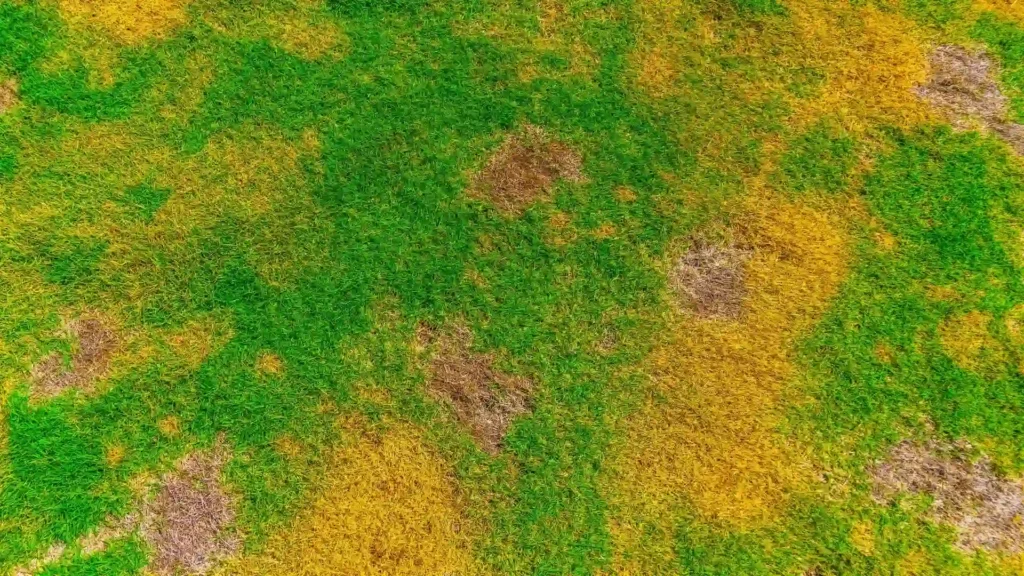
You bought fertilizer. You spread it on schedule. You watered it in. And your lawn looks exactly the same as it did before.
This is one of the most discouraging things a homeowner can experience. Fertilizer is supposed to be the simple part. Feed the grass, grass grows. But when the results do not show up, most people either buy a different bag and try again, or they give up and assume their lawn is just hopeless.
Neither of those is the right move. The real answer is almost always a fixable problem upstream of the fertilizer itself. In this guide, we will walk through every reason lawn fertilization fails and what you need to do differently to get a green, thick lawn in Northwest Arkansas.
The Number One Reason Fertilizer Fails: Compacted Soil
This is the issue we see most often on Northwest Arkansas lawns. The soil is so compacted that fertilizer sits on top of the ground, gets washed away by rain, or burns the surface without ever reaching the root zone.
Clay soil is common throughout the Rogers, Bentonville, and Fayetteville area. Clay compacts easily under foot traffic and rain, creating a dense barrier that water and nutrients cannot penetrate. You can apply the best fertilizer on the market and see zero results if your soil is compacted.
The fix is aeration before or alongside fertilization. Core aeration punches holes into the soil and creates direct channels for nutrients to travel down to the root zone. When we pair aeration with fertilization at 1st Impressions Lawn and Tree, homeowners consistently see dramatically better results than fertilization alone.
Wrong Fertilizer for Your Grass Type
Fertilizers are not one-size-fits-all. The nutrient ratio matters, and it varies depending on your grass type, time of year, and what your soil is lacking.
Tall fescue, which is the dominant grass in most of Northwest Arkansas, has different nutrient needs than bermuda or zoysia. A fertilizer heavy in nitrogen will push rapid green growth but can weaken root structure if applied at the wrong time or in the wrong ratio. Too much phosphorus on soil that already has adequate phosphorus levels does nothing and can even cause environmental runoff problems.
Without a soil test, you are guessing. A soil test tells you exactly what your lawn needs and what it already has in excess. It is a small investment that prevents years of wasted fertilizer applications.
Fertilizing at the Wrong Time of Year
Timing is the most overlooked factor in lawn fertilization. Grass can only absorb and use nutrients when it is actively growing. Fertilizing dormant grass is a waste of product and money.
For tall fescue lawns in Northwest Arkansas, the two most important fertilization windows are early fall, from late August through October, and early spring, from March through April. Fall feeding is the most critical. It is when fescue roots are actively expanding and the grass is building the reserves it needs to survive summer stress.
Fertilizing in the heat of summer pushes top growth during a period when your grass is already stressed. It can cause fertilizer burn and actually weaken the lawn. For warm-season grasses like bermuda, the schedule flips: fertilize in late spring through summer when the grass is actively growing.
Thatch Is Blocking Your Fertilizer
Thatch is the layer of dead grass stems, roots, and debris that builds up between the soil surface and the green grass blades. A thin layer of thatch, under half an inch, is normal and beneficial. Anything thicker than that becomes a barrier.
When thatch is thick, fertilizer gets trapped in it and never reaches the soil. It also holds moisture in ways that encourage disease and fungus while preventing deep watering from penetrating down to the roots.
Core aeration is the most effective way to break down thatch. The soil plugs brought to the surface contain microbes that decompose thatch naturally over time. If thatch is severe, dethatching may be needed before aeration and fertilization can work as intended.
Watering Mistakes That Waste Your Fertilizer
How you water after fertilization matters as much as the fertilizer itself.
The most common watering mistakes after fertilization include:
- Not watering at all, which leaves granular fertilizer sitting on the surface where it can burn grass or blow away
- Watering too heavily right after application, which washes fertilizer off the lawn before it can absorb
- Watering in the heat of the day, which increases evaporation and reduces uptake
- Shallow, frequent watering that keeps moisture at the surface instead of driving nutrients deep
After a granular fertilizer application, water lightly within 24 to 48 hours to activate the product. Then water deeply and infrequently, two to three times per week, to push nutrients down into the root zone.
What a Proper Lawn Fertilization Schedule Looks Like in Northwest Arkansas
For tall fescue lawns, which represent the majority of yards in our service area, here is the schedule we follow:
- March to April: Light application of slow-release nitrogen to support spring green-up without pushing excessive growth
- May to June: Optional micronutrient application if soil test indicates deficiencies
- Late August to September: Primary fall application, heaviest feeding of the year, supports root development and winter hardiness
- October to November: Follow-up fall feeding to carry the lawn through dormancy
This schedule is built around how tall fescue actually grows, not around a generic four-step program designed for northern grass types. The details matter when your lawn is in Northwest Arkansas.
Why Professional Lawn Fertilization Produces Better Results
Professional-grade fertilizers are not available at hardware stores. They are slow-release formulations with more precise nutrient ratios, and they are applied at calibrated rates based on your lawn size, grass type, and current soil conditions.
At 1st Impressions Lawn and Tree, every fertilization application is part of a seasonal lawn care program, not a one-time visit. That means your lawn is assessed before each application, the product and rate are adjusted based on what we see, and follow-up visits are already scheduled to keep the program on track.
The difference between a single fertilizer application and a full lawn fertilization program is the difference between one meal and a consistent diet. One will not change much. The other will transform your lawn over time.
Frequently Asked Questions
Why is my grass still yellow after fertilizing?
Yellow grass after fertilization usually points to iron deficiency, compacted soil blocking nutrient uptake, or fertilizer burn from over-application. A soil test will identify the root cause.
How long does it take for fertilizer to work?
Liquid fertilizers can show results within 3 to 5 days. Granular slow-release products typically take 2 to 4 weeks before visible improvement appears. Results depend heavily on soil conditions and watering.
Can I over-fertilize my lawn?
Yes. Over-fertilization causes fertilizer burn, excessive top growth that stresses the plant, and can damage soil biology. More fertilizer is not better. Correct rates and timing produce far better results than heavy applications.
Should I fertilize before or after aeration?
After is better. Aeration opens the soil so fertilizer can move directly into the root zone. Fertilizing after aeration significantly improves nutrient absorption and gives you more value from both services.
Do I need a soil test before fertilizing?
A soil test is strongly recommended, especially if fertilization has not been working. It tells you exactly which nutrients are deficient and prevents you from applying products your soil does not need.
What is the best fertilizer for lawns in Northwest Arkansas?
For tall fescue lawns, a slow-release nitrogen fertilizer applied in fall is the most impactful single treatment. The exact product and ratio should be matched to your soil test results for best performance.
Conclusion
If your lawn fertilization is not working, the fertilizer is rarely the problem. Compacted soil, bad timing, thatch buildup, and incorrect watering are the real culprits in the vast majority of cases we see across Northwest Arkansas.
Fix the foundation first. Aerate the soil, test the pH and nutrient levels, follow the right seasonal schedule for your grass type, and water correctly after each application. When those pieces are in place, lawn fertilization works exactly the way it is supposed to.
At 1st Impressions Lawn and Tree, we build fertilization programs around your specific lawn and the Northwest Arkansas climate, not a generic template. If your lawn has not been responding to fertilizer, we will find out why and fix it.
Ready to stop guessing and start seeing results? Contact 1st Impressions Lawn and Tree for a lawn assessment in Rogers, Bentonville, Springdale, or Fayetteville.