Introduction
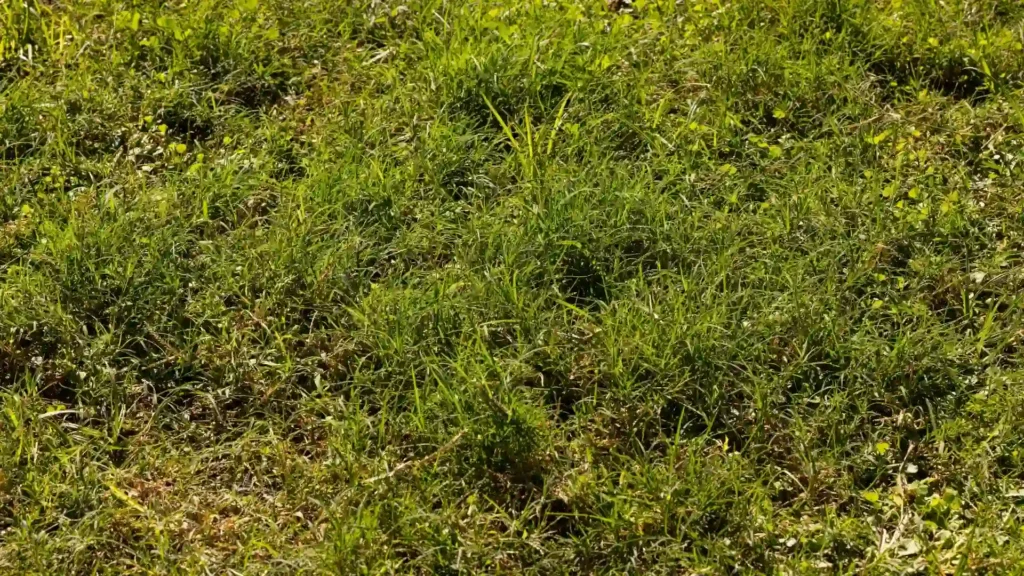
Walk into any lawn care conversation in Northwest Arkansas and you will hear two complaints more than any others. My lawn is thin. And my lawn is full of weeds. Homeowners treat these as separate problems and hire separate solutions for them. Weed spray in spring, overseeding in fall, and yet nothing seems to change the pattern.
Here is what is actually happening. These are not two problems. They are one problem manifesting in two ways. Thin turf creates the conditions weeds need to thrive. Weeds crowd out the remaining grass and make the thin turf even thinner. The cycle feeds itself until the lawn is far more weed than grass.
Breaking the cycle requires addressing both causes simultaneously with a system that builds turf density and removes weed pressure at the same time. This guide lays out exactly how to do that for lawns in Rogers, Bentonville, Springdale, and Fayetteville.
Why Thin Turf and Weeds Always Come Together
Tall fescue, the dominant grass in Northwest Arkansas, is a bunch-type grass. It does not spread laterally to fill bare areas. When plants die from heat stress, disease, drought, or age, those spaces stay open until new seed is introduced. Weeds have no such limitation. They spread aggressively, produce thousands of seeds, and are specifically adapted to thrive in the disturbed, stressed soil conditions that thin turf creates.
The relationship is direct. Anywhere your turf is thin, weeds find a foothold. Once they establish, they compete for the water, nutrients, and light that your remaining grass needs to recover. The lawn cannot thicken because the resources it needs are being consumed by the very weeds it is too weak to crowd out.
Weed control kills the weeds. But if you do not also thicken the turf, new weed seeds germinate in the same bare spots within weeks. The spray was not the problem. The thin turf was.
The Five Root Causes of Thin, Weedy Lawns in Northwest Arkansas
1. Soil Compaction
Compacted clay soil prevents roots from growing deep, blocks fertilizer from reaching the root zone, and stresses turf to the point where it cannot compete with weed pressure. This is the foundation of most chronic thin-lawn problems in our region. Without addressing compaction through core aeration, everything else is limited in its effectiveness.
2. No Overseeding History
Tall fescue that has never been overseeded gradually thins as individual plants die and are never replaced. Most lawns in Northwest Arkansas that have not been overseeded in the past two to three years are already running a deficit of live grass plants, even if the decline is not yet dramatic.
3. Fertilization Gaps or Failures
Weak, underfed turf is easily overwhelmed by weeds. Lawn fertilization timed to the active growth windows of tall fescue, especially fall, builds the plant vigor that keeps the turf competitive. Lawns that are fertilized inconsistently or at the wrong time lose density and create opportunity for weed invasion.
4. Missed Weed Control Windows
Pre-emergent weed control applied in late February stops crabgrass before it germinates. Skipping this application, even once, allows a new generation of summer annual weeds to establish in thin areas. Those weeds then crowd out whatever recovery the turf might have achieved through fertilization and overseeding.
5. Mowing Too Short
Cutting tall fescue below 3.5 inches exposes the soil to direct sunlight, heats the ground, and weakens the plants by reducing their photosynthetic capacity. Weeds, which are adapted to low, harsh conditions, thrive in scalped turf environments. Raising the mower deck to 4 inches during summer is one of the simplest and most underutilized defenses against weed pressure.
The System That Fixes Both Problems at Once
Treating thin turf and weed pressure as a single connected problem requires a program that addresses all five root causes in the correct sequence.
- Late February: Pre-emergent weed control to prevent crabgrass and summer annual germination
- March to April: Post-emergent broadleaf treatment for active winter annual weeds; spring fertilization to fuel green-up
- Late August to September: Core aeration followed immediately by overseeding and fall fertilization. This is the most important block of the year.
- September: Fall pre-emergent for winter annual prevention, timed after new seedlings are established
- October to November: Follow-up fall fertilization to sustain the recovery and build root reserves
When this sequence runs consistently for two to three seasons, the turf thickens, the weed pressure drops, and the lawn starts maintaining itself at a higher level with less reactive treatment required each year.
Why This Is a Power Page in Your Lawn’s Recovery
Every service in this plan amplifies the others. Aeration makes fertilization reach the roots. Fertilization builds turf thick enough to crowd weeds. Weed control protects the recovery from being undone by competing plants. Overseeding fills the bare spots that would otherwise become next season’s weed habitat.
This is why the homeowners who see the biggest transformations are not the ones who spend the most on individual treatments. They are the ones running the full system. A complete lawn care program that connects all four services on a consistent seasonal schedule is the only approach that produces results that actually hold.
Frequently Asked Questions
Can I fix a thin, weedy lawn in one season?
In most cases, yes. A fall program of aeration, overseeding, and fertilization combined with a spring pre-emergent the following year produces dramatic improvement within one full seasonal cycle. Severely neglected lawns may need a second season for full recovery.
Will overseeding fix my weed problem?
Overseeding addresses the thin turf that allows weeds to establish. It works best when paired with weed control, not as a standalone fix. New seedlings and pre-emergent herbicide timing must be carefully coordinated to avoid inhibiting germination.
Should I treat weeds before or after overseeding?
Pre-emergent treatments should be applied before overseeding in spring. Post-emergent broadleaf treatments should wait until new seedlings have been mowed two to three times. Fall overseeding is best done before the September pre-emergent window.
Why does my lawn thin out the same spots every year?
Recurring thin spots almost always indicate compaction, shade stress, grub damage, or disease pressure in those specific areas. Each recurring spot has a specific cause that needs individual diagnosis. A lawn assessment can identify what is driving each problem zone.
How thick does turf need to be to crowd out weeds naturally?
Dense, well-rooted turf with no bare soil visible at ground level is the target. When the grass canopy shades the soil completely, most weed seeds cannot germinate for lack of sunlight. This is achievable within two to three seasons of a consistent full-system program.
Does 1st Impressions Lawn and Tree handle both weed control and lawn thickening?
Yes. Our seasonal lawn care program integrates weed control, aeration, overseeding, and fertilization into a single connected plan designed to address both problems simultaneously.
Conclusion
A thin lawn full of weeds is a solvable problem. But it requires treating both issues as part of the same system rather than separate complaints that each need their own solution.
Build the turf. Control the weeds. Run the program consistently. The results compound over time and the lawn eventually stops being a chronic project and starts being something you are proud of.
At 1st Impressions Lawn and Tree, we build complete programs for homeowners across Bentonville, Rogers, Springdale, and Fayetteville that tackle thin turf and weed pressure together. If your lawn has been stuck in this cycle, we can break it.
Ready to stop the cycle? Contact 1st Impressions Lawn and Tree for a free lawn assessment today.