Introduction
The question comes up constantly across Northwest Arkansas. Is aeration actually worth the cost? Will it make a visible difference? Or is it just something lawn companies recommend to upsell a service that does not really change anything?
We hear this skepticism from homeowners in Rogers, Bentonville, Springdale, and Fayetteville, and it makes complete sense. If you have paid for aeration before and did not see the dramatic improvement you expected, the service feels like a disappointment. But the issue in most cases is not that aeration did not work. It is that aeration was done without the services that make it fully effective, or it was timed incorrectly for the grass type on the property.
This guide gives you the complete, honest picture of what lawn aeration does, why it works so well for Northwest Arkansas lawns specifically, and what to do alongside it to get results that are visible, measurable, and lasting.
What Core Aeration Actually Does to Your Soil
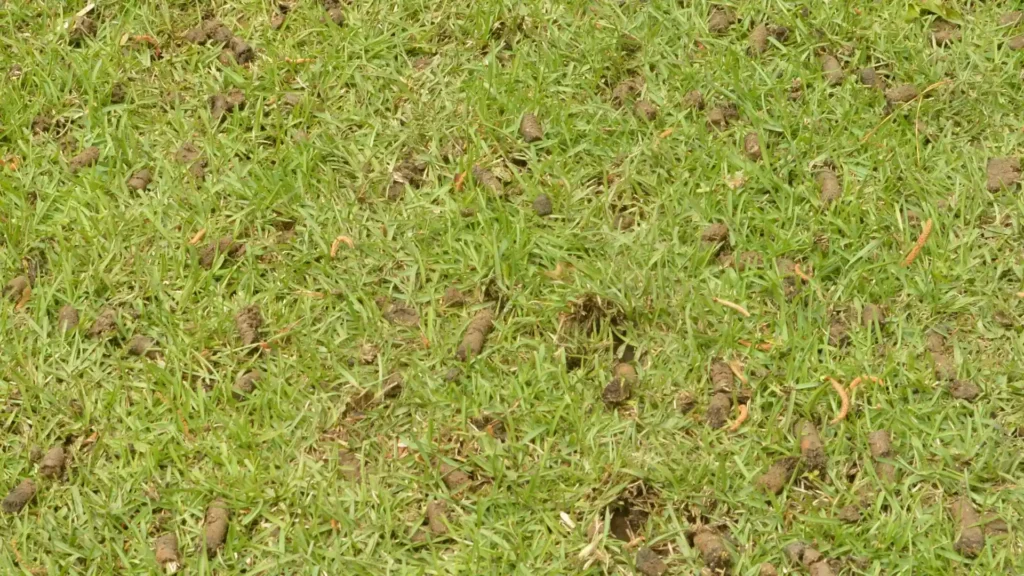
Core aeration uses a machine with hollow tines to remove plugs of soil roughly two to three inches deep across the entire lawn. These plugs are deposited on the surface where they break down over one to two weeks.
The holes left behind are not just empty spaces. They are functional channels that immediately improve three critical soil processes. Water infiltration increases because rain and irrigation can penetrate directly into the root zone rather than running off compacted clay. Oxygen exchange improves because air can now reach the biological activity happening in the upper soil layer. And nutrient penetration improves dramatically because fertilizer applied after aeration travels through the open holes directly to the root zone rather than sitting on the compressed surface.
For clay-heavy soils like those found throughout Fayetteville, Rogers, Bentonville, and Springdale, these improvements are not incremental. They are foundational. The soil structure in our region actively works against root growth and nutrient absorption without aeration.
Why Northwest Arkansas Lawns Need Aeration More Than Most
Homeowners in some parts of the country with sandy or loam soils can go two or three years between aerations without serious consequences. Northwest Arkansas clay soil does not have that margin.
Clay particles pack tightly under foot traffic, mowing, and rainfall. The high-traffic areas of any Rogers or Bentonville lawn, the paths people walk, the areas near gates and play equipment, become severely compacted within a single season. Even low-traffic areas on clay soil compact meaningfully over time. Without annual aeration, the cumulative effect over three to five years is a soil structure that is nearly impermeable and a lawn that cannot access what it needs to survive summer stress.
New construction properties, which are common across the rapidly developing areas of Bentonville and Rogers, start with a compaction disadvantage. Heavy equipment used during construction packs the soil to a degree that takes multiple seasons of consistent aeration to fully reverse.
The Evidence: What Changes After Aeration
The changes after proper aeration are measurable and visible within specific timeframes.
- Days 1 to 3: Soil plugs are visible on the surface. Water soaks into the lawn noticeably faster than before.
- Week 1 to 2: Plugs begin to break down. Holes remain open. Fertilizer and seed applied now have direct soil access.
- Weeks 3 to 5: Grass begins filling in aeration holes. Root expansion into loosened soil zones begins.
- Weeks 5 to 8: Visible improvement in turf density and color, particularly when fertilization and overseeding were applied immediately after aeration.
Lawns that do not show this progression after aeration are typically either dealing with a secondary problem like disease or severe nutrient deficiency that needs to be addressed, or the aeration was not timed correctly for the grass type.
What to Pair with Aeration for Maximum Results
Aeration alone produces meaningful results. Aeration combined with the right follow-up services produces transformative results.
Overseeding Immediately After
The aeration holes are the best seed bed available in a lawn. New seed drops into the holes and has direct contact with soil, which dramatically improves germination rates compared to broadcast seeding on an unbroken surface. For tall fescue in Northwest Arkansas, fall aeration and overseeding together is the single highest-value program investment of the year.
Fertilization Right After Aeration
Fertilizer applied immediately after aeration travels through the open holes directly into the root zone. The difference in nutrient uptake between fertilizer applied to aerated versus unaerated soil is significant. This is why lawn fertilization always produces its best results as part of a complete lawn care service program that includes aeration.
Consistent Annual Scheduling
The compounding benefit of annual aeration is real. Lawns aerated consistently year over year develop progressively better soil structure. Roots go deeper each season. Fertilizer and water are used more efficiently. The lawn becomes measurably more resilient over time.
When Aeration Does Not Seem to Work
There are specific situations where aeration produces limited visible results even when done correctly.
Severe disease: if the lawn has an active fungal disease, aeration will not overcome the damage while the disease is spreading. The disease must be treated first.
Extreme nutrient deficiency: severely depleted soil needs fertilization alongside aeration to show meaningful improvement. Aeration alone does not add nutrients.
Wrong timing: aerating tall fescue during summer heat stress or full dormancy reduces effectiveness significantly. The fall window is essential.
No overseeding: bare areas opened by aeration will be colonized by weeds if new grass seed is not introduced. Overseeding is not optional if the goal is turf recovery.
Frequently Asked Questions
Does aeration help in all four NWA cities?
Yes. Fayetteville, Rogers, Bentonville, and Springdale all have clay-based native soils that benefit from annual aeration. The timing and follow-up program are the same across the region.
How long does it take to see results?
Improved water infiltration is immediate. Visible turf improvement from overseeding takes four to six weeks. Soil structure improvement builds over one to two seasons of consistent aeration.
Can aeration damage irrigation systems?
Aeration tines can damage exposed or very shallow irrigation heads. Mark all heads with flags before aeration day so the machine operator can avoid them. Professional aeration services account for this as a standard part of the process.
Is fall the only good time to aerate in Northwest Arkansas?
Fall is the best time for tall fescue, which is the dominant grass in our area. Spring aeration is possible but comes with trade-offs around pre-emergent timing and summer weed pressure. For warm-season grasses, late spring is the correct window.
How do I know if aeration is working?
Check water infiltration after the next rainfall or irrigation cycle. If water is soaking in visibly faster than before, the soil structure has improved. Visible turf density improvement follows within four to six weeks when overseeding and fertilization are included.
Does 1st Impressions serve all four Northwest Arkansas cities?
Yes. We provide lawn aeration service in Rogers, Bentonville, Springdale, and Fayetteville as part of our full seasonal lawn care program. Contact us to confirm scheduling availability in your area.
Conclusion
Lawn aeration works. The evidence is straightforward and the results are consistent when the service is timed correctly, performed with professional equipment, and followed by overseeding and fertilization.
For Northwest Arkansas homeowners dealing with clay soil, hot summers, and chronic lawn struggles, aeration is not a luxury. It is the foundational service that unlocks the effectiveness of everything else you invest in your lawn.
At 1st Impressions Lawn and Tree, aeration is part of every complete lawn care service program we build for Rogers, Bentonville, Springdale, and Fayetteville homeowners because it is the service that makes the rest of the program work at full potential.
Ready to see what aeration can do for your lawn? Contact 1st Impressions Lawn and Tree for a free evaluation and let us show you the difference.