Lawn Aeration and Overseeding

Lawn Aeration and Overseeding for Thicker, Stronger Turf
Healthy turf starts below the surface. Compacted soil restricts root growth, prevents proper water penetration, and causes grass to thin over time. In Rogers and throughout Northwest Arkansas, heavy clay soil and seasonal stress make compaction a recurring issue for both residential lawns and commercial landscapes.
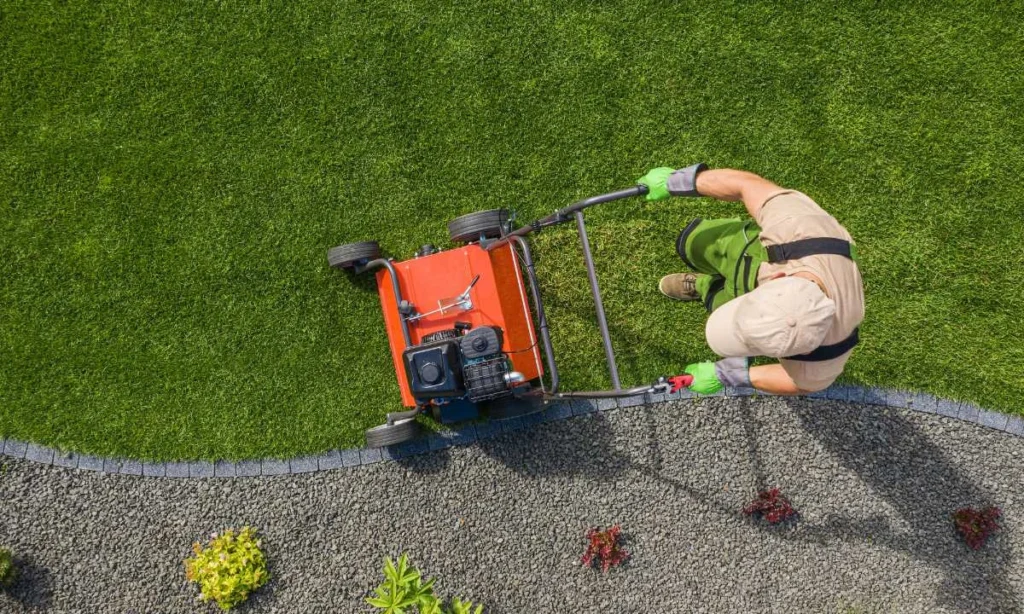
When we combine aeration and overseeding, we restore balance at the root level and set your lawn up for stronger, long-term performance.
For best results, aeration and overseeding should be part of a complete lawn care program designed for Northwest Arkansas lawns. Without proper aeration, nutrients from lawn fertilization cannot effectively reach the root system.

Building Health from the Soil Up
Compacted soil restricts airflow, limits nutrient movement, and reduces root development. A properly timed lawn aeration service removes small soil cores to relieve pressure beneath the surface and create space for stronger, deeper roots. Once we open the soil, water, oxygen, and nutrients move more freely, allowing your lawn to recover and respond more consistently to care.
This is most effective when supported by a structured lawn care system.
Why Aeration and Overseeding Work Better Together
While aeration improves soil structure, it also creates the ideal environment for new seed. Introducing improved grass varieties during overseeding lawn treatments allows seed to settle directly into loosened soil, improving contact and germination rates. This process strengthens density, fills thinning areas, and promotes more uniform growth across the property.
For homeowners, that means a thicker lawn that withstands seasonal stress. For commercial properties, it ensures a consistent appearance and durability under heavier foot traffic.
A thicker lawn created through aeration and overseeding also helps reduce weed pressure. Improved airflow and soil conditions also help reduce lawn disease issues. When combined with lawn fertilization and weed prevention services, this process delivers stronger, longer-lasting results.
Why Aeration Lawn Health Matters in Northwest Arkansas
When we aerate lawn areas across Rogers and Northwest Arkansas, the most common issue we’re addressing is heavy clay compaction. Our regional soil holds nutrients well, but it also compresses tightly under heat, foot traffic, and equipment use. Over time, that density limits airflow and makes it harder for roots to do their job.
Aeration works best when paired with lawn fertilization services to strengthen root systems and improve overall turf health.
Strong root systems created through aeration support every other aspect of lawn care, from fertilization to weed and disease management.
Will Aeration Help My Lawn Absorb Water Better During Summer?
Yes. Aeration reduces runoff and improves water movement into the soil profile. Instead of irrigation or rainfall sliding across the surface and into the street, moisture settles into the aeration holes and remains where roots can actually use it. That means better hydration and more efficient watering during peak heat.
For both residential lawns and commercial properties, these improvements compound over time. Consistent lawn aeration supports healthier root systems, stronger turf density, and improved performance through seasonal stress.
Aeration allows fertilizer treatments to move deeper into the soil where roots can actually use them. This improvement is even more effective when combined with lawn nutrient applications.
Does Core Aeration Help with the Hardpan Clay in NWA?
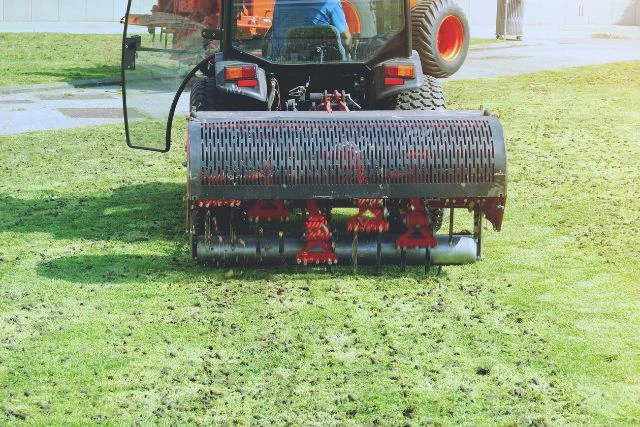
Absolutely. Our clay can become extremely dense during the hotter months, especially by late summer. Core aeration pulls 2-3 inch plugs from the soil surface, creating open channels that allow oxygen to reach the root zone. Those openings relieve pressure below ground and give the soil space to loosen naturally.
Addressing these conditions often requires a full ongoing lawn care plan.

When to Aerate Lawn for Maximum Results
Overseeding lawn areas at the right time only works if aeration is scheduled correctly. Timing plays a major role in turf recovery, root development, and successful seed establishment. In Northwest Arkansas, the ideal schedule depends on grass type, seasonal growth patterns, and how the property is used throughout the year. Timing aeration properly also helps prevent weed outbreaks during peak growing seasons.
When Is the Best Time to Aerate Bermuda and Fescue in Arkansas?
Bermuda and Zoysia lawns respond best in late spring to early summer, typically May through June, when warm-season grasses are actively growing.
Fescue performs best when aerated in early fall, usually September through October. Aerating Fescue during peak summer heat can stress exposed roots and limit recovery before cooler weather arrives.
In the Ozarks, seasonal timing isn’t flexible. Working with the natural growth cycle produces stronger, more predictable results.
Coordinating aeration with overseeding during these windows improves germination rates and encourages uniform turf development. These timelines align with a structured full-service lawn care system designed for local conditions.
How Often Should a Rogers Lawn Be Aerated?
Because our soil is clay-heavy, most lawns benefit from aeration at least once per year. Lawns that experience heavy foot traffic, pets, outdoor events, or commercial activity may benefit from twice-yearly treatment to prevent soil from becoming overly compacted.
High-use areas tend to compress faster, especially around entrances, walkways, and gathering spaces. Regular aeration prevents those stress points from turning into thinning or bare patches.
Establishing a consistent aeration lawn schedule ensures healthier roots, improved density, and more reliable seasonal performance year after year. Not sure which timing window is right for your property? We’ll help you identify the best schedule so your lawn recovers quickly and thickens the way it should.
Frequency depends on your overall lawn care program and property conditions.
How Much Should I Water My Lawn After It Has Been Overseeded?
The goal is to keep the seed damp, not soaked. We recommend light and frequent watering–about 10 minutes, twice a day– until the new grass reaches approximately 2 inches in height. Consistent moisture during this early stage is critical for proper germination and root development.
Do I Need to put Straw Down Over My New Grass Seed?
Usually no. When we aerate first, the seeds fall into the holes created during the process, which act like small protective pockets in the soil. Straw is typically only necessary on steep slopes where heavy rainfall could wash seed away during an Ozark storm. Because lawn aeration improves soil conditions and protects new seed placement, overseeding becomes more effective and produces stronger, more uniform results. If your lawn is starting to look thin, uneven, or worn down, the right overseeding strategy can completely change its appearance and durability. We’ll help you strengthen coverage, improve consistency, and give new growth the best possible start.
Overseeding Lawn Areas to Restore Density and Strength

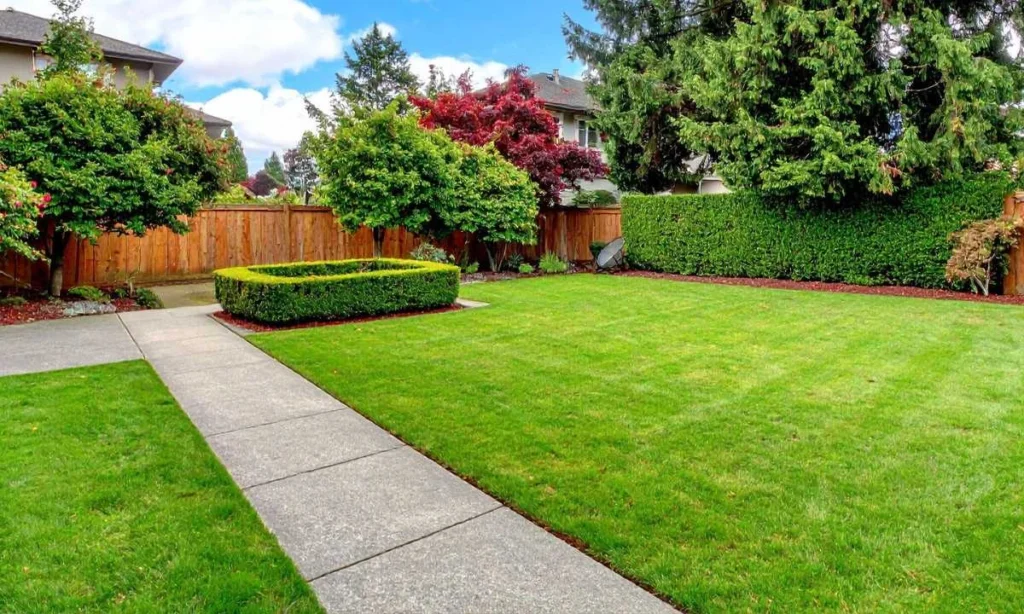
Even well-maintained lawns can start to thin over time. Heat stress, traffic, disease pressure, and seasonal changes all reduce turf density. Dense turf also helps limit conditions where lawn disease can develop. Overseeding introduces improved grass varieties into existing turf, filling in weak areas and improving overall coverage. When done properly, it enhances color consistency, improves resilience, and helps crowd out weeds before they take hold.
Pairing overseeding with a professional lawn aeration service significantly increases seed-to-soil contact. The small cores removed during aeration create ideal pockets for seed to settle into protected soil channels. This improves germination rates and allows new grass to establish more evenly across both residential properties and commercial landscapes.
Overseeding delivers the best results when paired with nutrient applications and weed growth management.
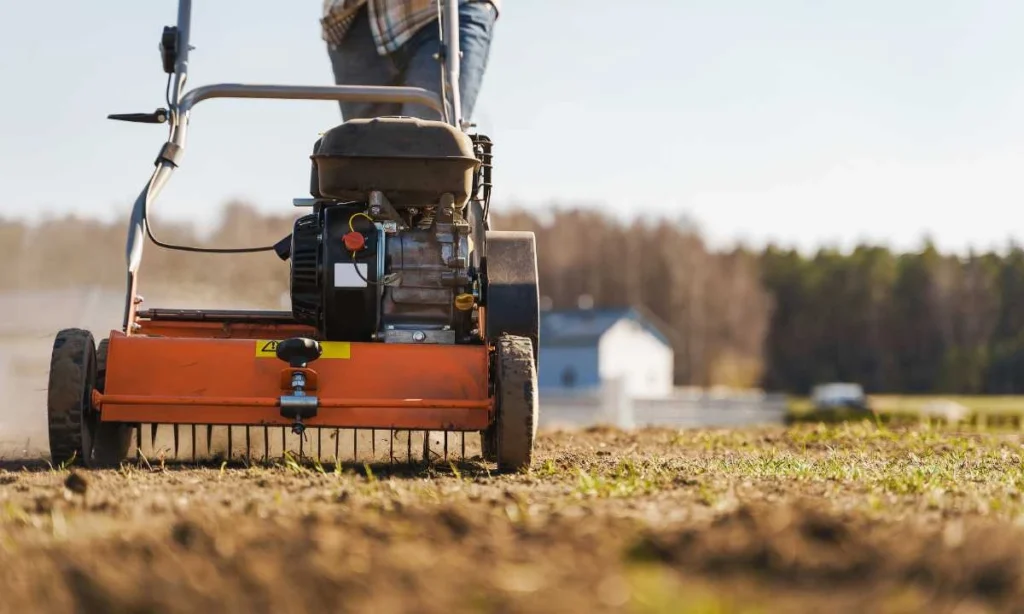
We use professional-grade core aerators that remove consistent 2-3 inch plugs at the proper spacing. That spacing matters. Too shallow, and the benefit is limited. Too aggressive and recovery slows. Our approach is measured and intentional, so your lawn improves without unnecessary disruption.

We also coordinate aeration with overseeding and fertilization plans, ensuring each service supports the next. Instead of isolated treatments, we build a strategy that strengthens root systems and improves turf density over time.
If you want more than a basic surface treatment, we’re here to help you build a healthier foundation with a properly executed aeration lawn service plan.
Choosing a Professional Lawn Aeration Service
Aeration is most effective when combined with fertilization, weed control, and a complete lawn care strategy.
When we aerate lawn areas for our clients, we don’t treat it as a quick pass across the surface. Proper aeration requires timing, calibrated equipment, and an understanding of how different properties respond to soil disruption. Not all lawns compact the same way, and not all turf types recover at the same rate.
We believe aeration should start with evaluation, not just putting you on a schedule. At 1st Impressions Tree and Lawn, we consider soil density, grass variety, traffic patterns, drainage concerns, and long-term property goals before making a recommendation. For commercial properties, that means factoring in usage intensity and appearance standards. For homeowners, it means identifying stress points around driveways, patios, and play areas that need extra attention.
A professional approach integrates aeration into a complete lawn care program.

Relieving Compaction, Restoring Healthy Growth
Aeration and overseeding work together to rebuild your lawn from the ground up. By relieving compaction and introducing improved grass varieties, we create conditions for better soil structure, improved water absorption, and more consistent growth.
Get Reliable Aeration and Overseeding in Rogers
Compacted soil and thinning turf don’t improve on their own. Whether you manage a residential lawn, an HOA community, or a commercial property, restoring soil structure and strengthening turf density are among the smartest long-term investments you can make.
Our services are designed to support a full lawn care system for long-term results.
Better Lawn. Better Living.
If you’re ready for thicker growth, better durability, and a lawn that finally responds the way it should, let’s get started.

Evaluation-Driven Lawn Care Solutions
At 1st Impressions Lawn and Tree, we don’t offer quick surface fixes. We evaluate your soil, grass type, and how your property is used before building a plan that delivers measurable improvement. Our goal is simple: healthier turf that performs better so you can enjoy your property without constantly worrying about it.

1st Impressions Lawn and Tree is A+ Rated BBB Certified
As a family-owned company, we take responsibility for our work and the relationships we build. We are proud to be Arkansas Better Business Bureau certified with an A+ rating, reflecting our commitment to integrity and consistent service.