Introduction
Homeowners ask us this question all the time. They have heard about aeration, seen the equipment, maybe even watched a neighbor get it done. But they are not sure if it is actually worth the cost or if it is just another lawn care upsell.
Here is the straight answer: lawn aeration is one of the highest-value services you can invest in for a struggling lawn. It is not flashy. The results do not happen overnight. But when it is done right and followed up with fertilization and overseeding, it can transform a thin, patchy lawn into a dense, healthy one within a single growing season.
In this guide, we will explain exactly how aeration works, why compaction is silently killing your grass, what to expect after treatment, and when to aerate in Northwest Arkansas for the best results.
What Is Lawn Aeration and How Does It Work?
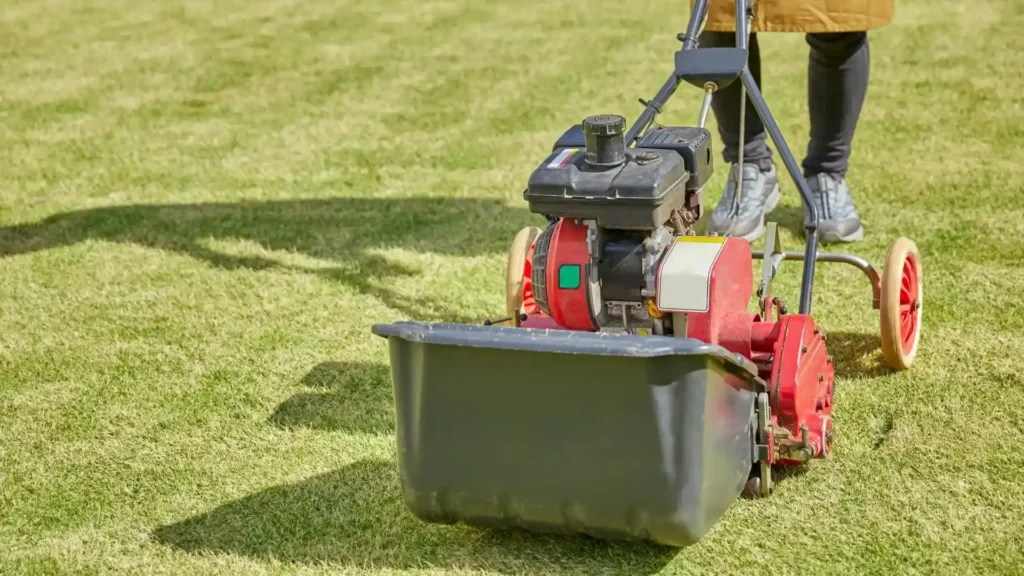
Lawn aeration is the process of removing small plugs of soil from your lawn to break up compaction and create channels for air, water, and nutrients to penetrate the root zone.
The most effective method is core aeration, which uses a machine with hollow tines to pull out plugs of soil roughly two to three inches deep. These plugs are left on the surface of the lawn, where they break down over one to two weeks and return organic matter to the soil.
The holes created by core aeration give your grass roots room to expand. They allow fertilizer to move directly into the soil instead of sitting on the surface. They improve drainage so water reaches the roots instead of running off. The results are not magic. They are just basic soil science working the way it is supposed to.
Why Soil Compaction Is Quietly Killing Your Lawn
Compaction happens when soil particles are pressed together so tightly that there is no room for air or water to move through. It is caused by foot traffic, mowing, heavy rain, and clay-heavy soils, which are common in Northwest Arkansas.
When your soil is compacted, grass roots cannot grow deep. Shallow roots make your lawn more vulnerable to drought, heat stress, disease, and weed invasion. You might be watering and fertilizing regularly and still seeing a thin, stressed lawn because the inputs cannot reach where they need to go.
A simple test: push a screwdriver into your lawn. If it goes in easily, compaction is not severe. If you have to force it or it barely penetrates, your soil is compacted and your lawn is likely suffering because of it.
Is Aeration Worth It? The Honest Answer
Aeration is worth it when your lawn has one or more of these conditions:
- Heavy clay soil (very common in the Rogers and Bentonville area)
- Thin or patchy grass that does not respond to fertilization
- Water pooling or running off instead of soaking in
- Lawn that feels spongy due to thatch buildup
- High traffic areas that look worn down
- Lawn that has not been aerated in two or more years
If your lawn does not have any of these issues and is already growing thick and healthy, aeration may not be urgent. But for the majority of Northwest Arkansas lawns we assess, some level of compaction is present and aeration delivers a clear, measurable improvement.
When Should You Aerate in Northwest Arkansas?
Timing depends on your grass type.
If you have cool-season grass like tall fescue, which is the most common turf type in Northwest Arkansas, the best time to aerate is late August through October. This is when the grass is entering its active fall growing period and can recover and fill in the aeration holes quickly.
If you have warm-season grass like bermuda or zoysia, aerate in late spring to early summer when the grass is actively growing.
Never aerate dormant grass or during extreme heat. The stress of aeration combined with heat or dormancy can damage turf that does not have the energy to recover.
What to Expect After Lawn Aeration
After your lawn is aerated, here is what the next few weeks look like:
- Days 1 to 3: Soil plugs are visible on the surface of the lawn. This is normal. Leave them.
- Week 1 to 2: Plugs begin to break down with watering and rain. Holes are still visible.
- Weeks 2 to 4: Grass begins filling in aeration holes. Root expansion begins.
- Weeks 4 to 6: Visible improvement in lawn density and color if paired with fertilization.
Aeration alone produces results. But the biggest improvements come when aeration is combined with overseeding to fill thin areas and fertilization to feed the recovering root system. These three services together are what we call the full lawn recovery system at 1st Impressions Lawn and Tree.
Why Aeration, Fertilization, and Weed Control Work Together
Each of these services is more effective when the others are in place.
Aeration opens the soil so fertilizer penetrates to the root zone instead of washing off the surface. Fertilization feeds the grass so it fills in quickly after aeration. A thick, well-fed lawn leaves less space for weeds to germinate, which makes your weed control treatments more effective and longer lasting.
When homeowners treat these as separate, one-time services, they get limited results. When they are combined into a seasonal lawn care program, the results compound over time. That is why our customers see the biggest improvements in year two and three of working with us.
Frequently Asked Questions
How often should I aerate my lawn?
Most Northwest Arkansas lawns benefit from aeration once per year. Lawns with heavy clay soil or high foot traffic may benefit from twice-yearly aeration.
Does aeration help with weeds?
Aeration helps indirectly. By promoting thicker turf, it reduces the open space where weed seeds can germinate. A dense lawn is your best long-term defense against weeds.
Should I water after aeration?
Yes. Water deeply within 24 hours of aeration to help the holes stay open and encourage root expansion. Continue watering regularly for the first two weeks after treatment.
Can I aerate and overseed at the same time?
Yes, and this is actually the recommended approach. The aeration holes provide ideal seed-to-soil contact for overseeding. Fall aeration combined with overseeding is one of the most effective lawn renovation strategies available.
What is the difference between spike aeration and core aeration?
Spike aeration pokes holes without removing soil, which can actually increase compaction around the holes. Core aeration removes plugs of soil, genuinely relieving compaction. Core aeration is the only method worth investing in.
How long does lawn aeration take?
A standard residential lawn in the Rogers and Bentonville area typically takes one to two hours for a professional core aeration service, depending on the size and shape of the property.
Conclusion
Lawn aeration works. It is not complicated, but it does need to be done at the right time, with the right equipment, and followed up with fertilization and overseeding to get the full benefit.
If your lawn is thin, patchy, or struggling to respond to treatments, compaction is likely a major part of the problem. Aeration is the fix that makes everything else work better.
At 1st Impressions Lawn and Tree, we serve homeowners across Northwest Arkansas with core aeration services timed to your specific grass type and soil conditions. We will assess your lawn, give you an honest recommendation, and build a plan that produces real results.
Want to see what aeration can do for your lawn? Reach out to 1st Impressions Lawn and Tree for a free consultation in the Rogers, Bentonville, and Fayetteville area.