Introduction
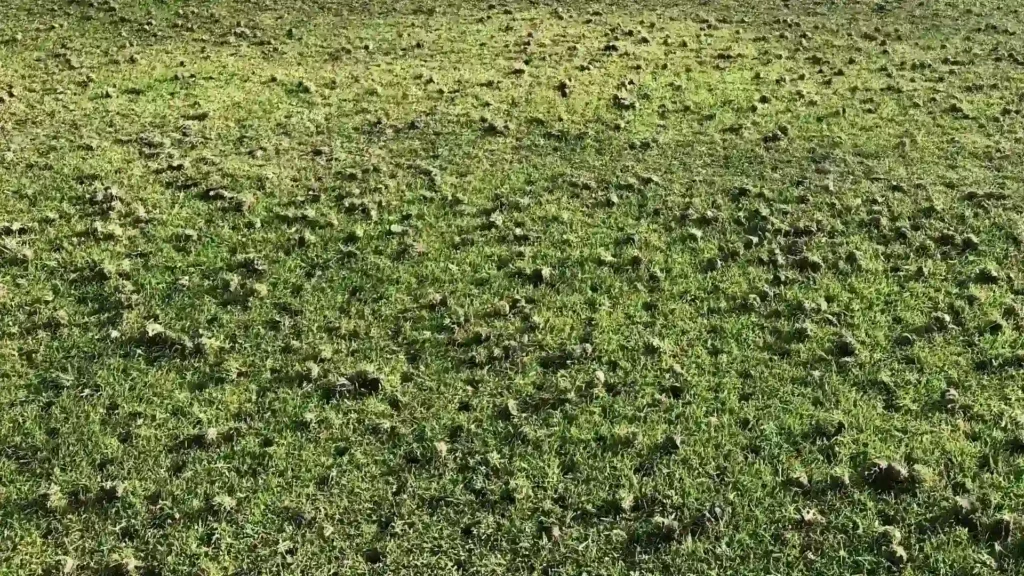
Aeration is one of those lawn services that homeowners hear about regularly but are not always sure they actually need. It sounds technical. The equipment looks unusual. And the immediate result, a lawn covered in small plugs of soil, does not look like an improvement.
But core aeration is one of the most impactful things you can do for the long-term health of a lawn in Northwest Arkansas. The clay-heavy soils across Rogers, Bentonville, Springdale, and Fayetteville compact under foot traffic, mowing, and rainfall in ways that quietly choke out healthy turf over time. Aeration reverses that process.
This guide explains exactly what lawn aeration is, how it works, why it matters for our specific region, and how to know whether your lawn needs it.
What Lawn Aeration Actually Is
Core aeration is the process of mechanically removing small cylindrical plugs of soil and thatch from the lawn. A machine called a core aerator, sometimes called a plug aerator, uses hollow tines that penetrate the soil surface and extract plugs typically about half an inch in diameter and two to three inches deep.
These plugs are deposited on the surface of the lawn where they break down naturally over one to two weeks. The holes left behind create channels that allow air, water, and nutrients to move directly into the root zone rather than being blocked by a compacted soil layer.
It is worth distinguishing core aeration from spike aeration, which uses solid tines to poke holes in the soil without removing material. Spike aeration is significantly less effective and can actually increase compaction around the holes. Core aeration is the method that produces meaningful results.
What Compaction Does to a Lawn
Soil compaction happens when soil particles are pressed together, eliminating the pore spaces that hold air and allow water to move through. In a healthy soil, roughly half of the total volume is pore space. In compacted soil, that percentage drops significantly.
The effects on turf are substantial. Roots cannot penetrate deeply and stay shallow, making the grass more vulnerable to drought and temperature stress. Water runs off the surface rather than soaking in, meaning irrigation and rainfall are less effective. Fertilizer applied to the surface cannot reach the root zone efficiently. Thatch accumulates faster because the microbial activity needed to break it down is reduced in low-oxygen conditions.
The result is a lawn that looks like it needs more water, more fertilizer, and more treatment than it actually does. The inputs are there, but the soil structure is preventing them from reaching the grass.
Why Northwest Arkansas Lawns Need Aeration More Than Most
The soils across much of Northwest Arkansas are heavy in clay content. Clay soil has several qualities that are actually beneficial for lawn health: it holds nutrients and moisture better than sandy soil and supports dense turf when it is in good condition. But clay compacts more easily than other soil types and stays compacted longer.
Add in the foot traffic of a residential lawn, the weight of mowing equipment passing over the same paths week after week, and the pounding of heavy spring and summer rainfall, and you have conditions that are almost guaranteed to produce meaningful compaction over one to two growing seasons.
Lawns growing in clay-dominant soil benefit from annual aeration. It is not a one-time fix. Compaction is an ongoing condition that requires ongoing management, and aeration is the most effective tool available for keeping it in check.
Signs Your Lawn Needs Aeration
Water pools or runs off rather than soaking in: If you see standing water after rain or irrigation in areas that are not low spots, compaction is likely preventing absorption. A screwdriver test confirms it: if you cannot push a standard screwdriver 6 inches into moist soil without significant effort, the soil is compacted.
Lawn feels hard or spongy underfoot: Compacted soil feels hard and resistant. A thick thatch layer, which often develops alongside compaction, can create a spongy or bouncy feel. Both signal that aeration is overdue.
Thin turf despite regular fertilization and watering: When inputs are consistent but results are poor, the delivery system is the problem. Compacted soil is one of the most common reasons fertilization and irrigation fail to produce the results homeowners expect.
Lawn recovers slowly from summer stress: Shallow roots from compacted soil mean less access to water and nutrients during high-stress periods. Aerating in late summer or fall deepens the root zone and improves the lawn’s ability to handle the following summer.
High-traffic areas are noticeably worse than the rest: Play areas, the path from the back door to the fence, and strips along driveways are almost always more compacted than the rest of the lawn. Targeted aeration in these zones produces visible improvement.
When Is the Best Time to Aerate in Northwest Arkansas?
Timing depends on the type of grass you have. For warm-season grasses like Bermuda and Zoysia, the best time to aerate is in late spring through early summer, when the grass is actively growing and can recover and fill in the holes quickly. Aerating while the grass is dormant or semi-dormant slows recovery.
For cool-season grasses like tall fescue, fall is the preferred aeration window. Aeration in early to mid-fall coincides with the grass’s natural period of root development and creates ideal conditions for overseeding at the same time.
Aeration followed immediately by fertilization and overseeding is one of the most effective combinations in lawn care. The open channels created by aeration give seed direct soil contact and give fertilizer direct access to the root zone. The results from this combination consistently outperform either service applied alone.
Frequently Asked Questions
Q: How often should I aerate my lawn?
A: Most Northwest Arkansas lawns with clay soil benefit from annual aeration. Lawns with very high traffic or severe compaction may benefit from twice-yearly aeration in the first one to two seasons before moving to an annual schedule.
Q: Will the soil plugs on my lawn cause damage?
A: No. The plugs left on the surface after aeration break down naturally within one to two weeks. They contain beneficial microorganisms that help decompose thatch as they break apart. They look untidy briefly but are part of the process.
Q: Can I aerate my lawn myself?
A: Core aerators can be rented from equipment rental companies. The challenge is coverage, consistency, and making sure you are using a true core aerator rather than a spike aerator. Professional aeration ensures complete, even coverage across the entire lawn with the right equipment and depth.
Q: Should I water before aeration?
A: Yes. Aerating dry, hard soil limits how deeply the tines can penetrate. Watering the lawn one to two days before aeration softens the soil and allows for better plug depth and extraction.
Q: Can I overseed right after aerating?
A: Absolutely, and this combination is highly recommended for fescue lawns in fall. The holes from aeration give seed direct contact with soil, which dramatically improves germination rates compared to overseeding without aeration.
Q: My lawn was just installed last year. Does it already need aeration?
A: Newly installed lawns may not need aeration in the first season, but clay soils can begin showing compaction relatively quickly. If your new lawn is showing signs of poor drainage or slow establishment, a light aeration can help. Ask a professional to assess before proceeding.
Conclusion
Lawn aeration is not a luxury service. For most homes in Northwest Arkansas with clay-dominant soil, it is a fundamental part of what keeps a lawn healthy over time. Compaction silently limits the effectiveness of everything else you do for your lawn, and aeration is the most direct way to correct it.
If your lawn is thin, drains poorly, or is not responding to fertilization and watering the way it should, compaction is one of the first things worth investigating. A professional assessment can confirm whether aeration is the right next step and when to schedule it for maximum benefit.
At 1st Impressions Lawn and Tree, we offer core aeration as part of our lawn care programs for homeowners across Rogers, Bentonville, Springdale, and Fayetteville. Call (479) 426-4644 or email info@1stimpressionslawntree.com to schedule a free lawn evaluation. Better Lawn. Better Living.