Introduction
Spring is supposed to be the season when Bermuda lawns begin turning green again.
After several months of winter dormancy, homeowners throughout Rogers, Bentonville, Springdale, and Fayetteville look forward to seeing fresh growth spread across their yards.
But sometimes, something unusual happens.
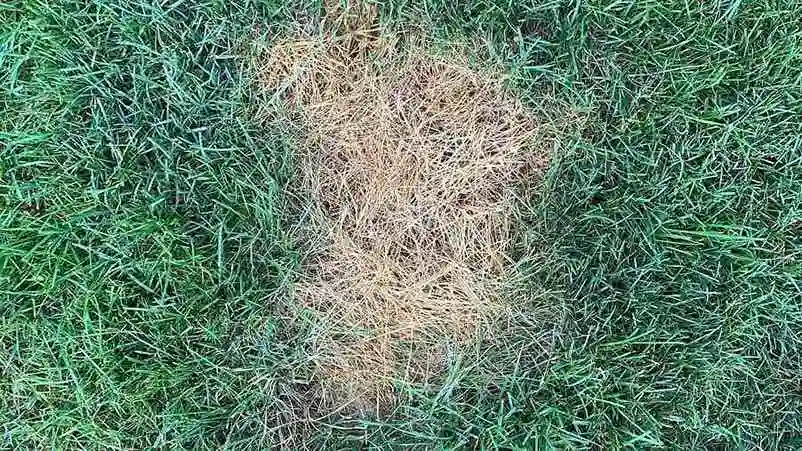
Most of the lawn begins turning green, while several circular areas remain completely brown.
Those patches may appear small at first. As the surrounding Bermuda becomes thicker and greener, the damaged areas become even more noticeable.
Many homeowners assume the grass simply needs more fertilizer or water.
However, persistent circular patches in Bermuda grass during spring may indicate spring dead spot, one of the more important diseases affecting this warm-season turf.
At 1st Impressions Lawn & Tree, we believe identifying the actual cause of lawn damage is essential before recommending treatment.
Understanding how spring dead spot develops can help Northwest Arkansas homeowners recognize the warning signs, avoid unnecessary applications, and make better decisions about long-term lawn health.
What Is Spring Dead Spot?
Spring dead spot is a fungal disease affecting Bermuda grass.
It is associated with several species of Ophiosphaerella fungi, which infect the grass’s underground and near-ground structures.
Unlike diseases that primarily damage visible leaf blades, spring dead spot attacks important parts of the plant responsible for survival and regrowth.
These include:
- Roots
- Rhizomes
- Stolons
- Crowns and associated tissues
As these structures become damaged, the grass becomes less capable of surviving winter stress and producing healthy spring growth.
Why the Disease Is Difficult to Notice Early
One of the most confusing characteristics of spring dead spot is that infection and visible symptoms occur during different seasons.
The fungi are active during cooler periods, particularly in fall.
However, the most obvious symptoms generally appear the following spring when healthy Bermuda begins growing again.
By the time homeowners notice the patches, the underlying damage has already occurred.
What Does Spring Dead Spot Look Like?
Spring dead spot usually appears as circular or irregular patches of Bermuda grass that fail to green up normally.
Affected areas may range from a few inches to several feet across.
Common Symptoms
Homeowners may notice:
- Circular brown or straw-colored patches
- Grass that remains dormant-looking after surrounding turf greens up
- Weak or dead roots
- Thin turf around damaged areas
- Patches that return in similar locations each spring
- Weeds growing in areas where Bermuda has died
The patches may eventually merge, creating larger irregular sections of damaged turf.
Why the Pattern Matters
Circular damage is an important clue, but it does not automatically confirm spring dead spot.
Winterkill, soil compaction, chemical injury, and other diseases can create similar symptoms.
A proper diagnosis considers the pattern, season, turf type, root condition, and previous history of the lawn.
When Does Spring Dead Spot Appear in Northwest Arkansas?
In Northwest Arkansas, Bermuda grass generally begins emerging from winter dormancy during April, with fuller green-up often occurring into May.
Cool springs can delay this process.
Spring dead spot becomes easier to recognize once healthy Bermuda starts producing consistent green growth.
April: Early Warning Signs
During April, homeowners may notice that certain areas are not responding to warming temperatures.
At this stage, it can still be difficult to distinguish normal delayed green-up from disease.
May: Symptoms Become More Obvious
By May, actively growing Bermuda often makes affected patches stand out more clearly.
Healthy surrounding grass may begin spreading toward damaged areas, while the center remains brown.
June: Evaluate Recovery
If patches remain severely damaged after favorable growing conditions have returned, closer inspection is warranted.
Our article on how to tell if brown grass is dead or dormant explains why the condition of the crown, roots, and new growth matters when evaluating brown turf.
Why Does Spring Dead Spot Develop in the Fall?
The disease’s seasonal cycle is one of the most important things homeowners should understand.
Spring dead spot fungi infect Bermuda during cooler soil conditions, often in fall.
The disease then weakens underground structures before winter.
When spring arrives, infected grass may be unable to recover normally.
Cool Soil Temperatures Favor Infection
Spring dead spot pathogens become active as soil temperatures decline during fall.
Preventive fungicide programs are commonly timed when soil temperatures approach approximately 70°F, although the correct timing depends on the product, local conditions, and disease-management recommendations.
This is different from the approximately 55°F soil temperature commonly associated with spring crabgrass pre-emergent timing.
These two treatments address completely different problems.
Why Spring Treatment Is Often Too Late for Prevention
When brown patches become visible during spring, infection may have occurred months earlier.
Applying a fungicide after symptoms appear generally will not restore grass that has already died.
For recurring disease, management usually focuses on prevention during the preceding fall and supporting recovery during the growing season.
How Do Northwest Arkansas Winters Affect Spring Dead Spot?
Bermuda grass is a warm-season turf that naturally becomes dormant during cold weather.
Northwest Arkansas winters can include freezing temperatures, hard freezes, and occasional ice or snow events.
These conditions can place additional stress on already weakened turf.
Winter Stress Can Increase Damage
Bermuda affected by spring dead spot may be less capable of surviving cold conditions.
Damage may become more severe after a difficult winter.
Spring Dead Spot Is Not the Same as Winterkill
Winterkill occurs when cold temperatures and associated stresses damage or kill turf.
Spring dead spot is caused by fungal pathogens.
Both can produce brown areas that fail to recover during spring.
The distinction matters because the long-term management strategies are different.
A lawn experiencing winterkill may require changes to turf selection, drainage, exposure, or winter preparation.
A lawn with recurring spring dead spot may benefit from a targeted disease-management program.
Can Poor Drainage Make Spring Dead Spot Worse?
Poor drainage can contribute to turf stress and create conditions that complicate disease management.
In Northwest Arkansas, soil conditions vary considerably.
Some lawns have rocky or cherty topsoil over clay-rich subsoil.
Others contain compacted fill from residential construction.
Saturated Soil Can Weaken Roots
When soil remains excessively wet, oxygen availability decreases.
Roots may become stressed, reducing the grass’s ability to tolerate disease and seasonal changes.
Compaction Creates Additional Problems
Compacted soil restricts root growth and water movement.
Although compaction does not directly cause spring dead spot, improving the root environment can support healthier turf.
Professional lawn aeration may be useful when compaction is confirmed and Bermuda is actively growing.
Drainage Should Be Evaluated Separately
A brown patch located in a low area may result from several overlapping problems.
Disease, excess moisture, compaction, and winter stress can occur together.
Correcting only one issue may not completely resolve the damage.
Does Soil pH Affect Spring Dead Spot?
Soil pH can influence Bermuda grass health and nutrient availability.
Many Northwest Arkansas soils are naturally acidic, but pH varies by property.
A soil test is necessary before deciding whether lime is appropriate.
Why Soil Testing Matters
A soil test can help identify:
- Soil pH
- Phosphorus and potassium needs
- Other fertility concerns
- Whether lime is recommended
The University of Arkansas Cooperative Extension Service provides soil-testing resources through county Extension offices.
Should You Apply Lime to Prevent Spring Dead Spot?
Not automatically.
Lime is used to correct soil acidity when testing indicates it is needed.
It is not a direct cure for spring dead spot.
Applying lime without understanding the existing pH can create additional nutrient imbalances.
Our guide on how to know if your lawn needs lime explains why testing should come before treatment.
Can Too Much Fertilizer Make Spring Dead Spot Worse?
Fertilization practices can influence Bermuda grass health and disease susceptibility.
However, the relationship is more complicated than simply saying fertilizer causes spring dead spot.
Excessive Late-Season Nitrogen
Applying substantial nitrogen late in the growing season may encourage growth when Bermuda should be preparing for dormancy.
Inappropriate late-season fertilization can contribute to winter stress and may worsen spring dead spot problems.
Balanced Nutrition Matters
Potassium and other nutrients play roles in overall turf health.
However, applying extra nutrients without a demonstrated deficiency is not a reliable disease-control strategy.
Fertilization should follow soil-test recommendations and the Bermuda growing season.
More Fertilizer Will Not Repair Dead Roots Immediately
When spring dead spot has already damaged the root system, adding fertilizer cannot instantly restore dead tissue.
Healthy Bermuda may gradually spread into affected areas during warm weather, but recovery depends on the extent of damage.
How Is Spring Dead Spot Different From Other Bermuda Lawn Problems?
Several conditions can cause Bermuda grass to remain brown during spring.
Correct identification prevents unnecessary treatments.
Normal Winter Dormancy
Dormant Bermuda typically greens up as soil temperatures rise and favorable conditions return.
The lawn may green up unevenly, especially in shaded areas.
Winterkill
Winterkill may affect exposed areas, poorly drained locations, or turf already weakened by other stresses.
The damage may be irregular rather than consistently circular.
Spring Dead Spot
Spring dead spot often produces recurring circular patches with damaged underground structures.
The same areas may be affected over multiple years.
Insect Damage
White grubs can feed on grass roots and cause thinning or brown patches.
However, grub damage is generally associated with a different seasonal pattern.
Japanese beetle and June beetle larvae commonly feed during late summer and fall.
If root-feeding insects are suspected, professional grub control may be appropriate after confirming the infestation.
Can Spring Dead Spot Spread Across the Lawn?
Spring dead spot can become more noticeable over successive seasons.
Affected patches may expand or merge, particularly when conditions continue to favor disease development.
However, not every nearby brown patch necessarily represents disease spread.
Recurring Patches Are an Important Clue
If the same circles appear every spring, documenting their locations can help with diagnosis.
Take photographs during April and May and compare them with previous years.
Healthy Bermuda Can Fill Some Damaged Areas
Bermuda spreads through stolons and rhizomes.
During active summer growth, healthy grass may gradually grow into damaged patches.
This can make the lawn appear recovered by late summer even though the disease remains a concern for the following spring.
How Do You Treat Spring Dead Spot?
Spring dead spot management typically combines accurate diagnosis, cultural practices, and, when appropriate, preventive fungicide treatments.
There is no single treatment that instantly restores damaged Bermuda.
Confirm the Disease
A professional evaluation should consider:
- Grass species
- Seasonal symptom timing
- Patch shape and size
- Root condition
- Previous disease history
- Soil drainage
- Fertilization practices
Laboratory diagnosis may be useful when symptoms are uncertain or recurring.
Improve Growing Conditions
Management may include correcting compaction, addressing drainage, maintaining appropriate mowing heights, and following soil-test recommendations.
These practices support turf health but should not be presented as guaranteed disease cures.
Consider Preventive Fungicides
For lawns with confirmed recurring spring dead spot, preventive fungicides may be recommended during fall.
Products must be specifically labeled for the disease and turf type.
Timing, application method, and follow-up treatments depend on the product label and professional recommendations.
Our lawn disease treatment services can help homeowners evaluate recurring turf disease concerns.
How Long Does Bermuda Take to Recover From Spring Dead Spot?
Recovery varies depending on the severity of root damage, Bermuda variety, growing conditions, and size of the affected area.
Small patches may gradually fill in during summer.
Larger areas may remain thin for an extended period.
Warm Weather Supports Recovery
Bermuda grows most actively during warm weather.
Adequate sunlight, appropriate irrigation, and balanced nutrition can help healthy turf spread.
Avoid Aggressive Repair Too Early
Attempting major lawn repairs before Bermuda begins active growth may produce disappointing results.
Wait until conditions support recovery and the underlying cause has been evaluated.
Some Areas May Need Reestablishment
Severely damaged patches may require plugging, sprigging, or other appropriate repair methods.
The best approach depends on the Bermuda variety and the extent of damage.
Can You Prevent Spring Dead Spot From Returning?
Spring dead spot can be difficult to eliminate completely, especially in lawns with a history of recurring outbreaks.
However, a consistent management plan can reduce disease pressure and support stronger turf.
Important practices include:
- Monitoring recurring patches each spring
- Testing soil before applying lime or additional nutrients
- Avoiding excessive late-season nitrogen
- Improving drainage where necessary
- Reducing confirmed soil compaction
- Maintaining appropriate mowing practices
- Using preventive fungicides when justified
- Following a Bermuda-specific seasonal maintenance program
Prevention is more effective when decisions are based on the lawn’s actual conditions rather than a generic treatment schedule.
Frequently Asked Questions
What causes circular dead spots in Bermuda grass during spring?
Circular dead areas may be caused by spring dead spot, a fungal disease that damages Bermuda roots and underground stems. However, winterkill, soil problems, and other conditions can create similar symptoms. Diagnosis should consider the patch pattern, timing, and root condition.
Can spring dead spot be treated after it appears?
Visible spring symptoms usually reflect infection that occurred during the previous fall. Fungicides applied after symptoms appear generally cannot restore dead grass. Spring management focuses on diagnosis and recovery, while preventive treatments are typically considered during fall.
Does spring dead spot affect Zoysia grass?
Spring dead spot primarily affects Bermuda grass. Zoysia can develop other diseases, including large patch, which is associated with different pathogens and management considerations.
Will Bermuda grass grow back after spring dead spot?
Healthy Bermuda may gradually spread into affected areas during active summer growth. Recovery depends on the severity of damage, growing conditions, and whether sufficient healthy turf remains around the patches. Severely damaged areas may require repair.
When should I apply fungicide for spring dead spot in Arkansas?
Preventive treatments are generally considered during fall as soil temperatures decline, often around 70°F. Exact timing and application requirements depend on the product label, local weather, and professional recommendations. Fungicide use should follow a confirmed diagnosis.
Final Thoughts
Spring dead spot can be frustrating because the damage becomes visible just when homeowners expect their Bermuda lawns to look healthy again.
The key is understanding that the disease develops before the symptoms appear.
By the time circular brown patches become noticeable during April or May, the grass may already have experienced months of underground damage and winter stress.
For Northwest Arkansas homeowners, the situation can be complicated by rocky and cherty soils, compacted clay, drainage limitations, naturally acidic conditions, and occasional hard freezes.
That is why effective management requires more than simply applying fertilizer or watering the damaged areas.
At 1st Impressions Lawn & Tree, we encourage homeowners throughout Rogers, Bentonville, Springdale, Fayetteville, and surrounding Northwest Arkansas communities to identify recurring lawn problems before choosing treatments.
With proper diagnosis, soil management, balanced nutrition, and appropriately timed preventive care, Bermuda lawns can become more resilient and better prepared for future growing seasons.
The goal is not simply to make the brown patches disappear temporarily.
It is to understand why they developed and reduce the likelihood of the same problem returning next spring.