Why Timing Is Everything
Pre-emergent herbicide works by creating a chemical barrier in the soil that prevents germinating weed seeds from completing their development. It has no effect on seeds that have not yet germinated and no effect on weeds already growing above the soil. The only window where it is effective is the period after seeds begin to absorb moisture and before they break the surface.
In Northwest Arkansas, soil temperatures in late winter rise faster than many homeowners expect. A warm February can push soil temps into the 50s well before the calendar suggests spring has arrived. Once those temperatures hit 55 degrees and hold there, crabgrass germination begins. Pre-emergent applied after that threshold is already too late for the plants that have started the germination process.
This is why the standard advice to apply pre-emergent when forsythia blooms or when soil temperatures reach 50 degrees is the right guidance for our area. Those two signals typically coincide in late February to mid-March in Bentonville, Springdale, and across Northwest Arkansas. Waiting until you can see weeds to act is always too late for pre-emergent.
What Most Homeowners Get Wrong
The single most common mistake is missing the spring pre-emergent window by waiting too long. Homeowners see bare ground in February and conclude it is too early to treat. By the time the lawn looks like it needs attention in March or April, the germination window has already opened and pre-emergent is no longer in position to prevent it.
The second most common mistake is skipping the fall pre-emergent entirely. Most homeowners focus on spring because that is when weeds are most visible. But winter annual weeds like henbit, chickweed, and annual bluegrass germinate in fall when soil temperatures begin to cool, typically in September in Northwest Arkansas. Without a fall pre-emergent application, these weeds establish through winter and are already large, seed-setting plants by the time spring arrives.
The third mistake is applying pre-emergent too close to overseeding. Pre-emergent does not distinguish between grass seed and weed seed. It inhibits all germination in the treated zone. If you overseed in fall and apply pre-emergent too soon after, the new grass seed will not germinate. Wait until new seedlings have been mowed at least twice before applying the fall pre-emergent.
What Actually Works
A complete weed control program for Northwest Arkansas lawns runs two pre-emergent applications per year. The spring application goes down in late February to early March, timed to soil temperature rather than calendar date. The fall application goes down in September, timed after new seedlings are established if overseeding was done.
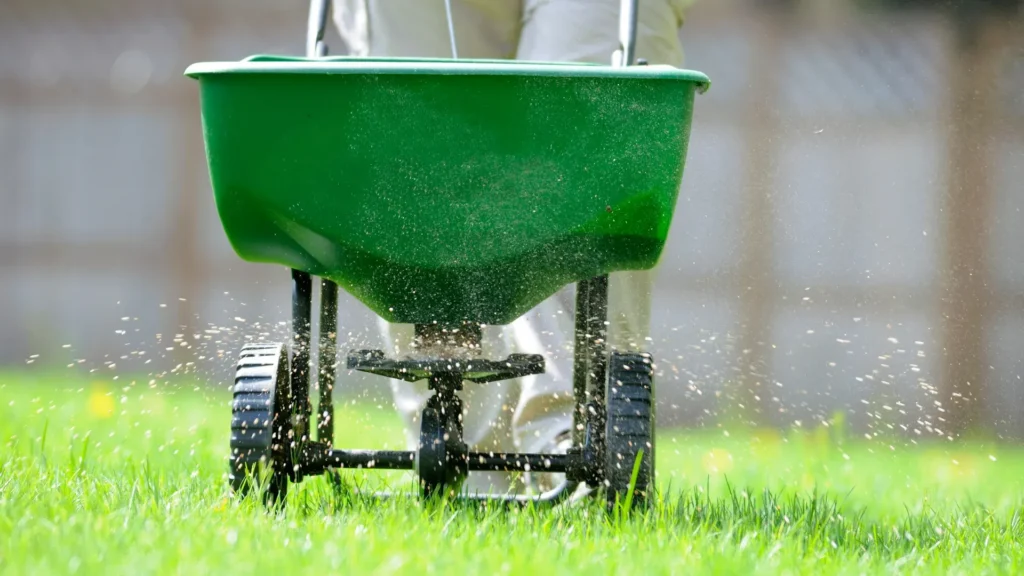
Pre-emergent works best when it is watered into the soil within 24 to 48 hours of application. It needs to move into the upper layer of soil where germinating seeds are active. A light irrigation cycle after application, or a rain event, activates the product and begins establishing the barrier.
Post-emergent weed control treatments handle the weeds that break through despite the pre-emergent barrier. No pre-emergent product is 100 percent effective across an entire lawn for an entire season. A spring broadleaf treatment in April and May and a fall broadleaf treatment in October address the escapes and perennial weeds that pre-emergent cannot touch.
How This Applies in Northwest Arkansas
In Bentonville, soil temperatures in late winter are influenced by elevation and exposure. Sheltered south-facing lawns may reach the 55-degree threshold earlier than shaded north-facing properties. Monitoring actual soil temperature rather than relying on calendar dates alone is the most accurate approach.
Springdale clay soil holds temperature differently than lighter soils. Clay warms more slowly in spring, which may push the effective pre-emergent window slightly later than on properties with better-draining soils. However, clay also retains heat longer in fall, which can extend the window during which winter annual seeds are actively germinating.
The practical takeaway for most Northwest Arkansas homeowners is to target late February to early March for spring and the first two to three weeks of September for fall, adjusting slightly based on whether spring is running warm or cool in a given year. A professional weed control program handles this monitoring and adjusts timing automatically.
Get a Lawn Care Plan That Works
Weed control that actually works requires getting the pre-emergent windows right every year without exception. At 1st Impressions Lawn and Tree, we manage both timing windows for every customer so the spring barrier is in place before crabgrass germinates and the fall barrier goes down before winter annuals establish. Fertilization timing is coordinated with this schedule so both services work together without conflict.
Ready to stop weeds before they start? Contact 1st Impressions Lawn and Tree for a complete weed control plan in Bentonville, Springdale, Rogers, or Fayetteville.