Introduction
Junipers and arborvitae are popular landscape plants throughout Northwest Arkansas.
They provide year-round greenery, privacy, and structure around homes, driveways, and commercial properties.
In Bentonville, these evergreens are often planted along property lines, near patios, or as foundation landscaping.
Because they remain green throughout the year, changes in their appearance can be especially noticeable.
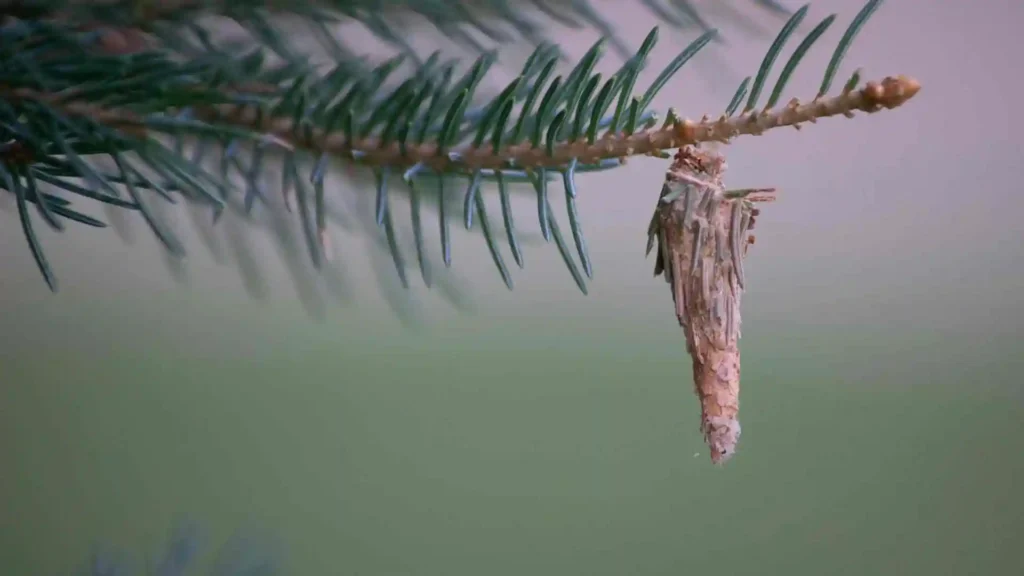
You might first see a few brown branch tips or small, cone-shaped objects hanging from the foliage.
At first glance, those objects may look like dried leaves or pieces of plant debris.
But when they are attached firmly to the branches, they may be something entirely different.
They could be bagworms.
Bagworms are a common pest of ornamental trees and shrubs in Arkansas. When populations become large, they can remove substantial amounts of foliage and leave evergreen plants permanently damaged.
At 1st Impressions Lawn & Tree, we encourage homeowners to inspect susceptible plants regularly rather than waiting until large brown areas develop.
Understanding how bagworms feed, when they hatch, and how to recognize an infestation can make a significant difference in protecting your landscape.
Understanding Bagworms and Their Life Cycle
The common bagworm, Thyridopteryx ephemeraeformis, is a moth species whose caterpillars feed on a wide range of trees and shrubs.
Unlike many caterpillars that remain fully exposed while feeding, bagworms construct protective bags around their bodies.
These bags are made from silk and pieces of the host plant.
The Protective Bag
A young bagworm begins building its bag shortly after hatching.
As the caterpillar grows, it adds more plant material to the outside.
The bag becomes larger and more noticeable throughout the summer.
On junipers and arborvitae, the covering often contains small pieces of needles or scale-like foliage.
This camouflage makes the insects difficult to recognize until damage becomes significant.
The Adult Stage
Male bagworms develop into small moths.
Adult females generally remain inside their bags, where mating and egg production occur.
A single female may produce hundreds of eggs, allowing populations to increase substantially when infestations are not controlled.
Why Junipers and Arborvitae Are Common Targets
Bagworms can feed on many plant species, but certain evergreens are especially vulnerable to noticeable damage.
Junipers
Junipers are commonly used in Northwest Arkansas landscapes because of their drought tolerance and evergreen appearance.
They may be planted as foundation shrubs, groundcovers, or upright screening plants.
Bagworm feeding can remove large amounts of foliage, leaving brown or bare branches.
Arborvitae
Arborvitae are frequently used for privacy screens and property borders.
Their dense foliage provides an attractive appearance but can also make early infestations difficult to notice.
Bagworms may remain hidden within the canopy until significant feeding has occurred.
Other Susceptible Plants
Bagworms may also feed on:
- Eastern redcedar
- Leyland cypress
- Spruce
- Pine
- Certain deciduous trees
- Other ornamental shrubs
The severity of damage depends on the host plant, infestation size, and growing conditions.
Early Warning Signs of Bagworm Activity
Bagworm infestations often begin with subtle symptoms.
Homeowners who recognize these signs early may be able to prevent more extensive damage.
Small Bags Hanging From Branches
The most recognizable sign is the presence of small, spindle-shaped bags attached to foliage or twigs.
Early in the season, the bags may be only a fraction of an inch long.
By late summer, mature bags may reach approximately 1–2 inches.
Browning Branch Tips
As caterpillars feed, branch tips may begin losing their green color.
Small patches of brown foliage can develop within an otherwise healthy evergreen.
Missing or Thinned Foliage
Heavy feeding may leave portions of the plant looking sparse.
On arborvitae, the damage may create visible gaps in the privacy screen.
Multiple Bags on One Plant
Finding several bags on a single shrub suggests that closer inspection is needed.
However, the presence of old bags does not always mean caterpillars are currently feeding.
Seasonal timing helps determine whether the infestation is active.
Bagworm Activity Throughout the Northwest Arkansas Growing Season
Bagworm development follows a seasonal cycle.
Understanding this timing is important because treatments are generally most effective when caterpillars are young.
Late Spring: Egg Hatch Begins
In Northwest Arkansas, bagworm eggs commonly begin hatching during late May or June, depending on temperatures.
Young caterpillars emerge from bags that remained attached to plants through winter.
They begin feeding and constructing small protective coverings.
Early Summer: Active Feeding
During June and July, caterpillars continue feeding and increasing in size.
This is an important monitoring period because young larvae are generally easier to control.
Late Summer: Mature Bags Become Noticeable
By August, bags may be much larger.
At this stage, caterpillars may have already caused substantial foliage loss.
Older larvae are also more difficult to control with some insecticides.
Fall and Winter: Bags Remain on Plants
After development is complete, female bagworms may leave eggs inside their bags.
These bags can remain attached to branches throughout winter.
Removing egg-containing bags before spring hatch can help reduce the following year’s population.
Why Bagworm Damage Can Be Permanent on Evergreens
Bagworms are particularly concerning on junipers and arborvitae because of how these plants grow.
Evergreen Foliage Does Not Always Regrow
Many needle-like and scale-leaved evergreens do not readily produce new foliage from older, bare wood.
If bagworms remove all green growth from a branch, that section may remain permanently bare.
Severe Defoliation Weakens the Plant
Foliage is essential for photosynthesis.
When a large portion is removed, the plant has less capacity to produce energy.
Repeated or severe feeding can weaken the shrub and increase vulnerability to other stresses.
Privacy Screens Can Develop Permanent Gaps
Arborvitae planted closely together often serve as living fences.
When one plant loses significant foliage, the resulting gap may be difficult to restore.
This is why early detection is especially important for established privacy hedges.
Bentonville Landscape Conditions and Bagworm Infestations
Bentonville and surrounding Northwest Arkansas communities contain a mixture of established neighborhoods, newer subdivisions, and commercial landscapes.
These settings can influence how ornamental evergreens grow and respond to insect damage.
Dense Foundation Plantings
Junipers and arborvitae are often installed close to buildings, fences, or other shrubs.
Dense plantings can make it difficult to inspect the interior of the canopy.
Bagworms may remain unnoticed until exterior branches begin browning.
Compacted Soil in Newer Developments
Some newer properties contain compacted construction fill beneath landscape beds.
Compaction can restrict root growth and affect water movement.
Although compacted soil does not cause bagworms, stressed plants may have less capacity to recover from defoliation.
Summer Heat and Moisture Stress
Northwest Arkansas summers can bring prolonged heat and periods of limited rainfall.
Evergreens already experiencing drought stress may respond poorly to additional foliage loss.
Maintaining appropriate soil moisture can support plant health, but watering alone will not eliminate an active bagworm infestation.
Distinguishing Bagworm Damage From Other Evergreen Problems
Brown foliage does not automatically mean bagworms are present.
Several environmental and biological problems can produce similar symptoms.
Winter Burn
Evergreens may develop brown foliage after cold, windy winter weather.
Winter burn occurs when foliage loses moisture faster than roots can replace it.
Symptoms often appear on exposed portions of the plant.
Drought Stress
Prolonged dry conditions can cause browning and thinning.
Plants growing in shallow, rocky soil may be particularly vulnerable.
Root Problems
Poor drainage, compaction, and root injury can affect foliage health.
These problems may cause gradual decline rather than the distinct feeding damage associated with bagworms.
Fungal Diseases
Some evergreens experience fungal problems that cause branch dieback or cankers.
Leyland cypress, for example, may develop canker diseases that cause sections of the canopy to turn brown.
Professional tree and shrub disease evaluation can help distinguish disease symptoms from insect feeding.
Confirming Bagworm Presence
The clearest evidence is finding characteristic bags attached to the plant.
Inspect the bags and surrounding foliage carefully.
When identification is uncertain, a qualified professional or local Cooperative Extension resource can help.
Inspecting Junipers and Arborvitae for Bagworms
Regular inspection is one of the most practical ways to identify infestations early.
Examine the Outer Branches
Look for small bags attached to branch tips and foliage.
Young bagworms may be difficult to see because their coverings resemble plant debris.
Check the Interior Canopy
Inspect branches closer to the trunk.
Dense evergreen growth can conceal bags that are not visible from the outside.
Focus on Previously Affected Plants
If a juniper or arborvitae had bagworms last year, monitor it closely the following spring.
Egg-containing bags may remain attached through winter.
Inspect Nearby Plants
Bagworms can occur on multiple susceptible plants within the same landscape.
Check neighboring evergreens rather than focusing only on the most visibly damaged shrub.
Hand-Removing Bagworms From Landscape Plants
For small infestations on accessible plants, physically removing bags can be an effective management method.
Remove Bags Before Spring Hatch
During fall, winter, or early spring, remove bags that may contain overwintering eggs.
Place them in a sealed bag for disposal.
Simply dropping them beneath the plant may allow surviving eggs to hatch nearby.
Remove Accessible Bags During the Growing Season
Hand removal can also help reduce populations when active bags are found.
However, inspecting and removing every bag may be difficult on large or densely planted evergreens.
Avoid Damaging Branches
Do not pull aggressively on branches or remove excessive foliage while collecting bags.
Use care when working around delicate branch tips.
Know When Hand Removal Is Not Enough
A large infestation covering multiple mature shrubs may require additional management.
Treatment decisions should consider the number of active caterpillars, plant condition, and accessibility.
Timing Insecticide Treatments for Better Results
When insecticides are necessary, timing is one of the most important factors.
Young bagworm caterpillars are generally more susceptible to treatment than mature larvae.
Early Summer Treatment Window
In Northwest Arkansas, monitoring should begin around late May and continue through June.
Once newly hatched caterpillars are actively feeding, appropriately labeled treatments may be considered.
Bacillus thuringiensis Products
Certain formulations of Bacillus thuringiensis var. kurstaki (Btk) are labeled for caterpillar control.
These products work best when young larvae consume treated foliage.
Effectiveness depends on correct identification, timing, coverage, and product instructions.
Other Labeled Insecticides
Additional insecticide products may be available for bagworm management on ornamental plants.
Selection should consider the plant species, pest stage, site conditions, and label restrictions.
Why Late Treatments May Be Less Effective
Once bagworms mature and stop feeding, insecticides are unlikely to provide meaningful control.
At that point, removing egg-containing bags before the next hatch may be more useful.
Always follow the product label and avoid unnecessary applications.
Protecting Beneficial Insects During Treatment
Insect management should consider the surrounding landscape.
Many Northwest Arkansas properties contain flowering shrubs, ornamental plants, and pollinator-friendly gardens.
Avoid Unnecessary Broad-Spectrum Applications
Treating plants without confirming an active infestation may affect beneficial insects.
Use targeted management whenever possible.
Follow Pollinator Precautions
Some insecticides have restrictions related to flowering plants and pollinator activity.
Read and follow all label instructions.
Combine Monitoring With Treatment
Regular inspection can reduce the need for repeated or unnecessary applications.
The goal is to manage damaging populations while minimizing avoidable environmental effects.
Helping Evergreens Recover After Bagworm Damage
Once feeding has stopped, the next step is evaluating how much healthy foliage remains.
Inspect Branches for Living Tissue
Branches that retain healthy green foliage may continue growing.
Completely bare sections of older wood may not recover, particularly on junipers and arborvitae.
Maintain Appropriate Soil Moisture
Water according to plant needs and weather conditions.
Avoid both prolonged drought and saturated soil.
Apply Mulch Correctly
A moderate layer of organic mulch can help retain soil moisture and moderate temperatures.
Keep mulch away from direct contact with the trunk or main stems.
Avoid Excessive Fertilization
Fertilizer cannot replace foliage that has been permanently lost.
The University of Arkansas Cooperative Extension Service offers soil-testing resources through county offices.
Testing can help identify nutrient deficiencies before fertilizer is applied.
Consider Replacement When Damage Is Severe
If an evergreen has lost most of its foliage or developed large permanent bare areas, replacement may be more practical than attempting extensive corrective pruning.
The decision depends on the plant’s condition and landscape purpose.
Long-Term Bagworm Prevention for Northwest Arkansas Landscapes
Bagworm management is most effective when homeowners monitor susceptible plants throughout the year.
Winter Inspections
Check junipers, arborvitae, and other susceptible plants for overwintering bags.
Remove accessible bags before eggs hatch.
Spring Monitoring
Begin inspecting plants as temperatures warm.
Look for newly hatched caterpillars and small bags during late spring.
Summer Follow-Up
Continue checking plants during June and July.
Early detection is especially important because feeding damage can increase as caterpillars mature.
Maintain Healthy Growing Conditions
Proper watering, mulching, and soil management help plants tolerate environmental stress.
Healthy plants are not immune to bagworms, but maintaining good growing conditions supports their overall resilience.
Evaluate Recurring Problems
If the same plants experience infestations year after year, a seasonal management plan may be appropriate.
This can include monitoring, physical removal, and properly timed treatment when justified.
Frequently Asked Questions
What causes bagworms on arborvitae and junipers?
Bagworms develop when moths lay eggs that hatch into caterpillars. The caterpillars feed on foliage and build protective bags using silk and plant material. Infestations can increase when egg-containing bags remain on plants through winter.
When do bagworms hatch in Northwest Arkansas?
Bagworms commonly begin hatching during late May or June, depending on spring temperatures. Monitoring should begin before visible damage becomes extensive because young caterpillars are generally easier to control.
Can arborvitae recover from bagworm damage?
Arborvitae may recover when enough healthy foliage remains. However, branches stripped completely to older bare wood often do not produce new green growth. Severe infestations can leave permanent gaps in the canopy.
Should I remove bagworm bags during winter?
Yes. Removing accessible bags during fall, winter, or early spring can reduce the number of eggs that hatch the following season. Bags should be collected and disposed of rather than dropped beneath the plant.
What is the best treatment for bagworms?
The best approach depends on infestation size and caterpillar development. Hand removal may be effective for small infestations, while appropriately labeled insecticides may be useful when young larvae are actively feeding. Mature bagworms are generally harder to control chemically.
Final Thoughts
Bagworms can cause significant damage to junipers, arborvitae, and other evergreen landscape plants, particularly when infestations remain unnoticed until late summer.
The protective bags make these insects easy to overlook, but their feeding can remove large amounts of foliage.
For evergreen plants that do not readily regrow from bare wood, the damage may be permanent.
That is why early identification and seasonal monitoring are so important.
In Bentonville and surrounding Northwest Arkansas communities, homeowners should begin inspecting susceptible evergreens during late spring and continue monitoring throughout summer.
Removing overwintering bags, identifying young caterpillars, and using properly timed treatments when necessary can help reduce recurring infestations.
At 1st Impressions Lawn & Tree, we encourage homeowners throughout Bentonville, Rogers, Springdale, Fayetteville, and nearby communities to evaluate both pest activity and the overall health of their landscape plants.
Healthy soil, appropriate watering, and regular inspections support stronger evergreens, while targeted pest management helps address the insects responsible for damage.
The goal is to protect valuable landscape plants before minor feeding becomes extensive canopy loss.