Introduction
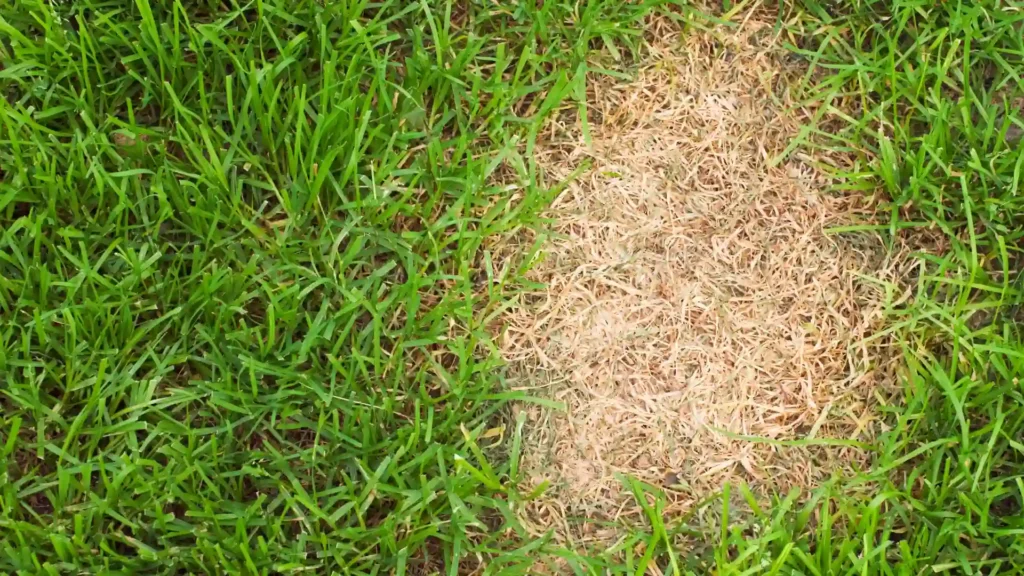
Bare spots are one of those problems that look simple on the surface but have real variation underneath. I have seen bare spots caused by everything from a buried chunk of concrete left over from construction to a neighbor’s dog squeezing under the fence every morning.
The mistake most homeowners make is going straight to seed without figuring out why the spot is bare in the first place. If you seed into soil that is compacted, contaminated, shaded out, or still being damaged by whatever killed the grass originally, you are wasting seed and time.
Here is how to read a bare spot, figure out what caused it, fix the underlying problem, and then repair it the right way.
Read the Spot Before You Do Anything Else
Before you buy seed or reach for a bag of topsoil, spend two minutes looking at the spot and the area around it. The shape, location, and edges of a bare spot tell you most of what you need to know.
Round with a darker green border: Classic dog spot. The nitrogen and salt in urine kills the center and over-fertilizes the edge. You will see a brown or bare center surrounded by a ring of unusually dark green grass.
Irregular shape in a high-traffic area: Compaction. The path from the back door to the fence. The spot where kids cut the corner every day. Soil gets packed down, roots cannot develop, grass gives up.
Circular or spreading pattern that appeared suddenly: Disease or grubs. Pull a handful of the affected turf and see if it lifts easily. If it does, check the soil for white C-shaped larvae. If it holds firm and the surface looks matted or discolored, disease is more likely.
Long thin strip under a tree or along a fence: Shade. Grass that gets less than four hours of direct sun daily thins and eventually disappears. No amount of seeding solves this without addressing the light.
Bare spot exactly where you turned the spreader around or filled it up: Fertilizer or herbicide spill. The area received a concentrated dose of product that burned or killed the grass. These spots are easy to fix once you flush the soil.
Fixing Compaction-Related Bare Spots
Compaction is the most common cause of bare spots in Northwest Arkansas yards, and it is the one homeowners are most likely to overlook because the soil surface looks normal.
Try the screwdriver test. Push a standard screwdriver into moist soil in the bare area. If it takes significant effort to get 3 to 4 inches deep, the soil is compacted. Grass roots cannot develop in soil that a screwdriver struggles to penetrate.
Fix: Core aerate the area before seeding. Pull plugs, rough up the surface, apply starter fertilizer, then seed. Water consistently but not excessively until germination. Do not let foot traffic back onto the area for at least six weeks.
If the bare spot is in a high-traffic zone, consider whether the grass has a realistic chance of surviving there long-term. Stepping stones, a mulched path, or a more durable ground cover is sometimes the honest solution.
Fixing Dog Spot Damage
Dog spots need to be flushed before they can be repaired. The soil is loaded with salt and excess nitrogen. Seeding into unflushed soil wastes the seed.
Water the spot deeply every day for two weeks. You are trying to push the salt below the root zone. After two weeks, do a quick assessment. If you scratch the soil surface and it smells strongly of ammonia, keep watering. Once the odor clears and the soil feels normal, it is ready to repair.
Seed with a variety that matches your existing lawn. Apply starter fertilizer, keep it consistently moist, and stay off it. If the dog continues to use the same spot, the repair will not hold. The behavior problem has to be solved alongside the lawn repair.
Fixing Disease and Pest-Related Bare Spots
Do not seed into an active disease or active grub infestation. The new grass will suffer the same fate as the old grass.
For disease: treat first with an appropriate fungicide, wait for the disease to clear, then repair. Seeding fescue into an area actively fighting brown patch gives the fungus fresh turf to consume.
For grubs: apply the appropriate curative treatment, confirm the grub population is addressed, then reseed or sod the area. Bare spots from grub damage often need more prep work because the root zone has been compromised and the soil may need to be broken up before it will accept new seed.
Fixing Shade-Related Bare Spots
Here is the honest answer on shade: if the area gets less than three to four hours of direct sunlight daily, grass is going to struggle regardless of what you do. Tall fescue is the most shade-tolerant option in our area, but even fescue has limits.
If you want to seed a shaded area, use a shade-tolerant fescue blend and manage your expectations. Keep the mowing height higher in shaded areas, reduce foot traffic, and do not over-fertilize. Shade grass is working harder than sun grass just to survive.
If the area is truly too shaded for grass, the more practical solutions are native ground covers, mulch, or hardscape. Fighting shade with grass seed year after year is an expensive cycle that rarely ends with a lawn that looks good.
The Right Way to Repair a Bare Spot
Once the underlying cause is corrected, here is the repair sequence that works.
- Rake out dead material and loosen the top inch of soil with a hard rake or hand cultivator.
- If the soil is compacted, use a hand aerator or fork to open it up before seeding.
- Apply a thin layer of quality topsoil or compost if the soil level is low.
- Spread seed at the recommended rate for the grass variety. More seed is not better. Crowded seedlings compete with each other and produce weaker plants.
- Apply a starter fertilizer. Not a standard maintenance fertilizer. Starter formulas are higher in phosphorus to support root development in new seedlings.
- Rake lightly to press seed into soil contact. Seed sitting on top of loose material without soil contact does not germinate reliably.
- Water lightly twice daily until germination. Once seedlings are visible, reduce frequency and increase depth to encourage root development.
- Stay off the area for six to eight weeks. New seedlings are fragile and will not survive regular foot traffic.
Frequently Asked Questions
Q: What is the best time of year to fix bare spots in Northwest Arkansas?
A: For fescue, early to mid-September through mid-October is the ideal window. Soil is still warm enough for germination but air temperatures are cooling, which reduces stress on new seedlings. For Bermuda, late spring when soil temperatures are consistently above 65 degrees gives the best germination. Spring and fall are both viable for small repairs if the timing within those seasons is right.
Q: Should I use sod or seed to repair bare spots?
A: Sod gives you faster results and better success rates in high-traffic areas or spots that are difficult to keep consistently moist. Seed is more economical for larger areas and easier to match to existing turf variety. For most small bare spots, seed with proper prep is the more practical choice.
Q: My bare spot keeps coming back even after I reseed it. What am I missing?
A: The underlying cause is still present. If you are reseeding the same spot every season and it keeps dying, you are treating the symptom rather than the problem. Look harder at what is different about that location: shade, compaction, drainage, pet access, chemical contact, or disease history. Fix the condition and the grass will hold.
Q: How much seed do I need for a bare spot?
A: Follow the label rate for the specific variety. Fescue is typically seeded at 6 to 8 pounds per 1,000 square feet for new areas or 3 to 4 pounds for overseeding thin areas. More seed does not improve results and actually increases competition between seedlings.
Q: Can I fix a bare spot in summer?
A: For warm-season grasses like Bermuda, summer repair works well because the grass is in its active growth period. For fescue, summer repairs are challenging because new seedlings face heat stress and disease pressure immediately. If you have fescue bare spots, waiting until early fall produces much better results.
Q: Do I need to water bare spots differently than the rest of the lawn?
A: Yes, at least until the new grass is established. Seeded areas need consistent light moisture for germination, typically twice daily until sprouts are visible. Once established, taper to the same schedule as the rest of the lawn. New grass that dries out during germination does not recover. Consistent moisture is the single most important factor in repair success.
Conclusion
Most bare spots are fixable. But fixable means doing it in the right order: identify the cause, correct it, then repair the turf. Skip the first two steps and you are seeding into the same problem that created the bare spot in the first place.
Read the shape and location of the spot. It tells you more than you think. Match the repair method to the cause. Prep the soil properly before seed touches it. Keep it moist and stay off it.
Done right, most bare spots in Northwest Arkansas are filled in and holding strong within one growing season. At 1st Impressions Lawn and Tree, we handle bare spot diagnosis and repair as part of our lawn care programs across Rogers, Bentonville, Springdale, and Fayetteville. Call (479) 426-4644 or email info@1stimpressionslawntree.com. Better Lawn. Better Living.