Introduction
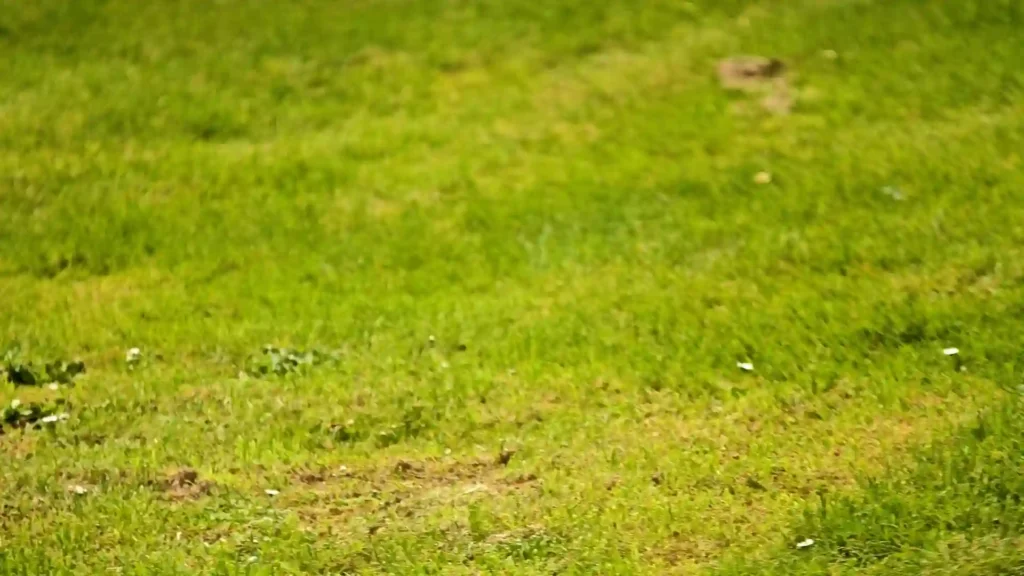
You put in the same effort across the whole yard. Same mowing schedule. Same watering routine. Same bag of fertilizer spread the same way. But somehow, one section of the lawn is thick and green while another looks thin, pale, or patchy.
Uneven lawn growth is one of the most common frustrations homeowners in Northwest Arkansas bring to us. And it almost never has one single cause. Your lawn is not one uniform environment, even if it looks that way from the street.
This guide walks through the most common reasons grass grows unevenly and what you can do about each one.
Soil Compaction Is Not the Same Everywhere
Soil compaction is one of the leading causes of uneven lawn growth, and it rarely affects the entire yard equally. High-traffic areas, like the path from the back door to the fence gate, or the stretch of lawn where kids cut across every day, get compacted much faster than areas that rarely see foot traffic.
Compacted soil squeezes out the air pockets that grass roots need. Water runs off rather than soaking in. Nutrients cannot penetrate. The result is thin, weak turf in compacted zones surrounded by healthier grass in areas that do not get as much pressure.
Core aeration is the most effective fix for this. Pulling plugs of soil from the ground opens up channels for air, water, and nutrients to reach the root zone. If your uneven growth follows a predictable traffic pattern, compaction is almost certainly part of the problem.
Shade Creates Dramatically Different Growing Conditions
Sunlight is not evenly distributed across most residential lawns. A tree on the west side of your yard casts afternoon shade over a section of grass that may already be struggling with dry soil. A fence blocks morning sun. A roofline creates a deep shadow that shifts with the seasons.
Most turf grasses, including the Bermuda and Zoysia common in Northwest Arkansas, are sun-loving varieties that thin out quickly in shade. Tall fescue tolerates partial shade better, but even fescue has limits.
If your uneven growth follows the shade line of a tree or structure, the problem is light, not lawn care technique. Solutions include overseeding with a more shade-tolerant variety in those areas, selectively trimming tree canopy to allow more light through, or accepting that some low-light areas are better suited to ground cover or mulch than turf.
Fertilizer Distribution Problems
Uneven fertilizer coverage is a very common cause of striped or patchy lawn growth that homeowners overlook because the application felt consistent in the moment.
Spreader overlap patterns, missed sections near edges, clumped granules from a bag that got wet, or simply running out of product before finishing the last pass can all create visible differences in growth within days of an application.
The fix starts with better spreader technique: overlap each pass slightly, work at a consistent walking pace, and always calibrate the spreader to the correct setting for the product being used. If you see growth stripes that match the width of your spreader, uneven application is the answer.
Watering Inconsistency
Irrigation systems rarely water every square foot of a lawn equally. Sprinkler heads have coverage gaps, especially near property edges and around obstacles. Some zones may run longer than others. Wind pushes spray patterns off target. Manual watering is almost always uneven.
Grass in underwatered zones goes drought-stressed faster, thins out, and invites weed pressure. Grass in overwatered zones can develop shallow roots, fungal problems, and compaction from saturated soil.
Walk your yard during a scheduled irrigation cycle and watch where the water actually lands. Coverage gaps are often obvious once you look for them. Adjusting sprinkler heads, adding a head to a coverage gap, or hand-watering problem areas can make a significant difference.
Fungal Disease and Pest Damage
Uneven growth that appeared suddenly, especially after a stretch of hot and humid weather, may not be a nutrient or irrigation problem. Lawn diseases like brown patch, dollar spot, and pythium blight all create irregular patterns of dead or damaged grass surrounded by healthy turf.
Similarly, grub damage from beetle larvae feeding on roots creates irregular dead patches that pull away from the soil in chunks. The turf looks dead on top but the real damage is happening underground.
If the uneven growth appeared quickly and does not match your irrigation or fertilizer pattern, get a professional assessment before applying more product. Treating a fungal problem with fertilizer can make it significantly worse.
Soil Quality Varies More Than You Think
Even within a single residential lot, soil quality can vary considerably. Fill dirt used during construction may differ from native topsoil. Low spots collect water and stay wet longer. High spots drain fast and dry out. Areas near concrete hardscape can have elevated pH from lime leaching out of the slab over years.
A soil test is the most reliable way to identify underlying chemistry problems. It tells you pH levels, nutrient availability, and organic matter content across different areas of the yard. From there, targeted lime applications, compost topdressing, or adjusted fertilization programs can bring problem areas into balance.
Frequently Asked Questions
Q: Why does the grass near my fence always look worse than the rest of the lawn?
A: Fence lines often create shade, block irrigation spray, and receive less attention during mowing and treatment passes. Compaction from foot traffic near gates adds to the stress. A combination of overseeding, targeted watering, and aeration usually helps these areas.
Q: My lawn looks great in spring but gets patchy by July. What is causing that?
A: Summer stress reveals the weakest areas of a lawn first. Thin soil, compaction, shallow roots from overwatering, and shade all become more visible when heat and drought pressure increase. A spring lawn care program including fertilization and pre-emergent weed control helps build the density needed to hold up through summer.
Q: Can uneven mowing height cause growth differences?
A: Yes. Scalping a section of lawn, cutting it significantly shorter than the surrounding turf, stresses the grass and can cause it to thin or brown out. Keeping a consistent mowing height and never removing more than one third of the blade in a single cut protects turf health.
Q: Does aeration help with uneven growth?
A: It depends on the cause. If compaction is a contributing factor, aeration makes a noticeable difference. If the problem is shade, soil chemistry, or disease, aeration alone will not fix it. A proper lawn assessment helps identify which solutions are actually needed.
Q: How long does it take for a patchy lawn to fill back in?
A: With the right treatment, most lawns show meaningful improvement within one growing season. Severely thin areas may need overseeding and two to three seasons of consistent care to reach full density.
Q: Should I overseed the thin areas or just treat the whole lawn?
A: Both. Overseeding fills thin areas with new grass plants while a whole-lawn treatment program addresses the underlying conditions that caused thinning in the first place. Seeding without fixing the cause usually results in the new grass struggling in the same way the old grass did.
Conclusion
Uneven lawn growth is a symptom, not a cause. The grass is responding differently across your yard because conditions are different across your yard. Compaction, shade, uneven watering, inconsistent fertilization, disease, and soil chemistry can all play a role.
The fix starts with identifying which factor or combination of factors is driving the problem in your specific yard. A professional lawn assessment is the most efficient way to get there.
At 1st Impressions Lawn and Tree, we work with homeowners across Rogers, Bentonville, Springdale, and Fayetteville to diagnose and treat uneven lawn growth with targeted programs that actually address the cause. Call us at (479) 426-4644 or email [email protected] to schedule a free lawn evaluation. Better Lawn. Better Living.