Introduction
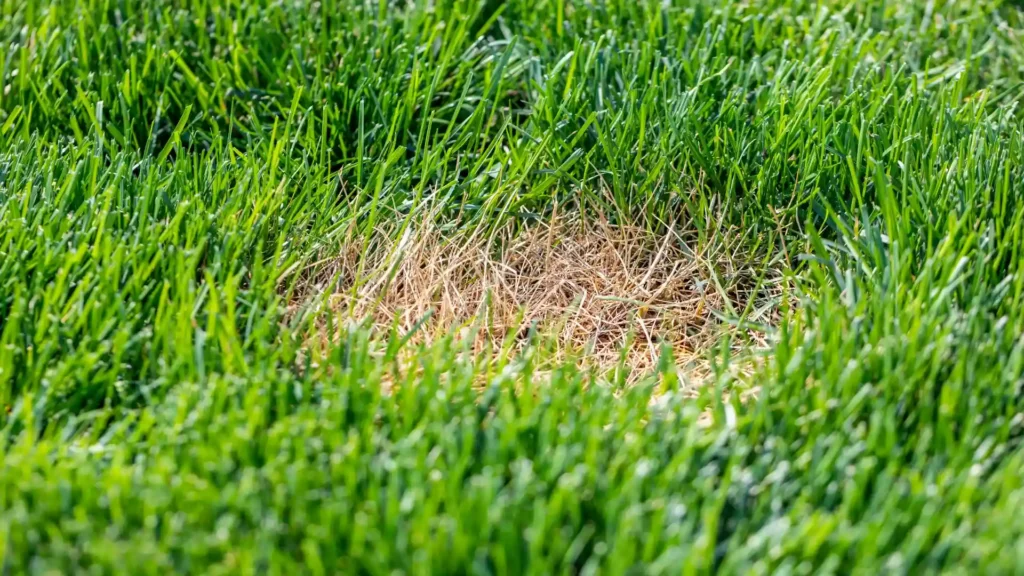
Every summer, homeowners across Northwest Arkansas watch their lawns fall apart in July and August and wonder what went wrong. The lawn looked fine in May. They did not change anything. Why is it burning up now?
The answer is almost always that the lawn was never as healthy as it appeared. What you see above ground is only half the picture. A lawn with shallow, stressed roots can look presentable during mild weather and collapse quickly the moment conditions get difficult. The problem was there all along, hiding below the surface.
Understanding what drives subsurface lawn health, and what destroys it, is the key to building a lawn that holds up all year. This is especially relevant for Rogers lawns and Springdale clay soil properties, where root stress from compaction and nutrient deficiency are among the most common issues we diagnose at 1st Impressions Lawn and Tree.
The Signs Your Lawn Is Failing Beneath the Surface
Before visible browning or thinning occurs, there are early warning signs that the root system is under stress:
- The lawn greens up quickly in spring but thins noticeably by July regardless of irrigation
- Grass feels spongy or soft underfoot, indicating thatch buildup insulating the surface from the root zone
- Water runs off the lawn after irrigation rather than soaking in, even on flat ground
- Fertilizer produces a quick green flush that fades within two to three weeks instead of sustained improvement
- Grass blades pull up from the soil with almost no resistance, indicating shallow, weak roots
Each of these signs points to a lawn that is surviving on the surface rather than thriving from the ground up. The root authority your lawn builds underground determines everything about how it performs when stress arrives.
Cause 1: Compacted Soil Is Blocking Root Growth
Grass roots grow where they can. In loose, healthy soil, roots push several inches deep over the growing season. In compacted soil, they hit resistance within an inch or two and spread horizontally instead of downward.
Horizontal, surface-level roots are fragile. They have no access to the moisture reserves held in subsoil. They are fully exposed to the heat and drought conditions that hit the top layer of soil first during summer. When air temperatures spike in July and August, surface-rooted lawns show damage within days. Deep-rooted lawns can manage for weeks.
Springdale clay soil is among the most compaction-prone in the region. Homeowners on these properties often see the most dramatic summer decline because the clay holds compaction more stubbornly than sandy or loam soils and requires consistent annual aeration to maintain workable soil structure.
Cause 2: Thatch Is Insulating the Soil from Water and Air
Thatch is the layer of undecomposed organic material that builds up between the soil surface and the living grass blades. A thin layer is normal and beneficial. A thick layer, over half an inch, becomes a barrier.
Thick thatch absorbs irrigation water before it reaches the soil, keeping the root zone dry even during regular watering. It also traps heat, creating elevated temperatures at the soil surface that stress roots during summer. And it prevents fertilizer from penetrating into the ground, so nutrients stay suspended in the thatch layer where roots cannot reach them.
Core aeration is the most effective tool for managing thatch. The soil plugs brought to the surface contain the microorganisms that break thatch down naturally. Annual aeration keeps thatch at healthy levels without the turf damage that aggressive mechanical dethatching can cause.
Cause 3: Nutrient Deficiency at the Root Level
A lawn can show adequate surface color and still have a root system that is starved of the nutrients it needs to build density, stress resistance, and deep growth.
Nitrogen drives the leafy green growth you see above ground. But potassium is what builds root strength and stress tolerance. Phosphorus supports root establishment and early development. When fertilization focuses only on nitrogen for color and ignores the nutrients that build the root system, the lawn looks good but is structurally weak below the surface.
Lawn fertilization built around a soil test and timed to the active root growth windows of tall fescue in Northwest Arkansas, primarily fall, is what builds real subsurface health rather than just top growth.
Cause 4: Shallow Watering Is Keeping Roots Near the Surface
Roots grow toward moisture. If irrigation is shallow and frequent, moisture stays in the top inch or two of soil and roots have no reason to grow deeper. The lawn adapts to the watering pattern you give it.
The correct watering approach for Northwest Arkansas tall fescue is deep and infrequent. Water to a depth of four to six inches, two to three times per week, rather than light daily watering. This forces roots to follow moisture deeper into the soil profile, building the root depth that protects the lawn during dry periods.
The Fix: Building Root Authority from the Ground Up
Reversing subsurface lawn decline requires addressing every layer of the problem simultaneously. A single service will not produce a lasting result.
The complete sequence:
- Core aeration to relieve compaction and break up thatch, opening the soil for root growth and nutrient penetration
- Overseeding immediately after aeration to introduce new, vigorous grass plants into thin and bare areas
- Fall fertilization with a product that supports root development, not just top growth, applied immediately after aeration while the soil is open
- Adjusted watering to encourage deep root growth rather than surface moisture dependence
- A complete lawn care program that sustains these gains through consistent seasonal maintenance
Lawns that go through this process in fall and maintain it consistently show dramatically stronger summer performance the following year because the root system has had time to grow deeper and build the reserves it needs.
Frequently Asked Questions
How deep should grass roots be?
Healthy tall fescue roots can extend four to six inches or deeper in loose, well-aerated soil. In compacted soil, roots may be limited to one to two inches. The difference between these two profiles is dramatic in terms of drought and heat tolerance.
Can a lawn recover from deep root damage?
Yes, but recovery requires addressing the conditions that caused the damage. Aeration, overseeding, and a complete fall fertilization program can restore root depth and turf density within one growing season in most cases.
Why does my lawn look fine in spring but fail in summer?
Cool, moist spring conditions mask root weakness. When summer heat and dry periods arrive, shallow-rooted turf cannot access subsoil moisture and fails quickly. The problem existed before summer. Summer just reveals it.
Does thatch always cause root problems?
Light thatch under half an inch is beneficial and insulates roots. Thatch over half an inch begins to block water, nutrients, and air from reaching the soil. At one inch or more, thatch is actively harming the root environment.
Is this a Rogers-specific problem or does it happen everywhere in NWA?
Subsurface root stress is common across all of Northwest Arkansas due to clay soil, but Rogers lawns and Springdale properties on heavy clay are among the most frequently affected. New construction areas in Bentonville also see this frequently due to construction compaction.
How do I know if my lawn’s roots are shallow?
Grab a handful of grass and pull firmly. If the turf lifts easily with very little resistance or pulls up like a loose mat, the roots are shallow. Healthy deep-rooted turf requires significant force to pull free.
Conclusion
A lawn that looks acceptable in spring and falls apart every summer is not unlucky. It is giving you a clear signal that its root system is not where it needs to be. The surface appearance is a partial picture. What happens two to three inches below the ground determines whether your lawn thrives or struggles when conditions get hard.
Building root authority takes one good fall program and the commitment to maintain it. Aerate, overseed, fertilize correctly, and water deeply. Do it consistently and the lawn stops being fragile.
At 1st Impressions Lawn and Tree, we specialize in diagnosing subsurface lawn problems across Rogers, Bentonville, Springdale, and Fayetteville and building programs that fix the root cause rather than masking symptoms season after season.
If your lawn looks okay now but keeps failing every summer, contact 1st Impressions Lawn and Tree. The problem is fixable.