Why This Happens
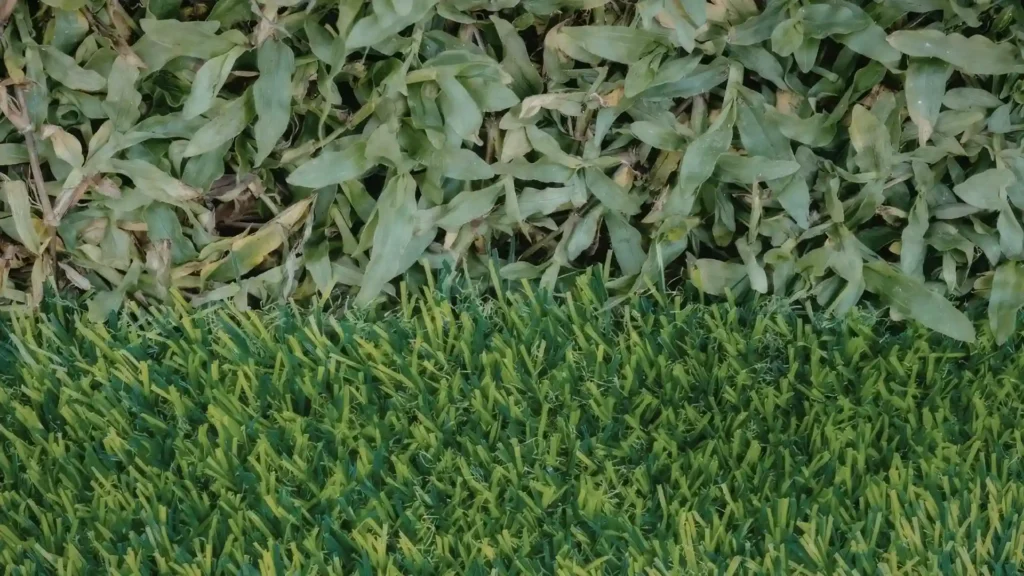
Fertilizer delivers nutrients to the soil. Grass roots absorb those nutrients, and so do weed roots. Nitrogen, phosphorus, and potassium do not discriminate between desirable turf and invasive plants. When you fertilize a lawn with active weed pressure, the weeds use those nutrients too.
This creates the frustrating pattern many homeowners experience: they fertilize, the lawn seems to green up, but the weeds green up even more aggressively. In a lawn with significant bare areas, thin turf, or heavy weed pressure, the weeds may actually outcompete the grass for the applied nutrients because they are more aggressive growers in disturbed, stressed soil conditions.
Crabgrass in particular responds vigorously to nitrogen applications. In summer, when tall fescue is semi-dormant and barely growing, a high-nitrogen fertilization can essentially function as a crabgrass fertilizer, pushing the weed faster than the grass can benefit from the treatment.
What Most Homeowners Get Wrong
The most common mistake is fertilizing without weed control and then concluding that fertilizer makes things worse. The fertilizer is doing its job. The problem is that weeds are present to take advantage of it. The answer is not to stop fertilizing. It is to control weeds so the fertilizer goes to the turf.
The second mistake is applying high-nitrogen fertilizer during summer, when tall fescue is in semi-dormancy and weeds like crabgrass and nutsedge are at peak growth. In that scenario, the fertilizer benefits the weeds more than the grass because the grass is not actively growing while the weeds are. Tall fescue fertilization should be minimal or avoided from mid-June through mid-August for this reason.
The third mistake is believing that skipping fertilization will stop weeds from growing. Weeds do not need your fertilizer to thrive. Many weed species are specifically adapted to grow in low-nutrient conditions where grass struggles. Skipping fertilization hurts the grass more than the weeds and creates exactly the thin, weak turf that weeds are best positioned to exploit.
What Actually Works
A balanced lawn care approach pairs fertilization with weed control so that nutrients go to the turf, not to competing plants. Pre-emergent weed control applied in late February prevents the summer annual weeds that would otherwise compete with spring fertilization. Post-emergent treatment handles active weeds in spring and fall so the lawn is clean when fertilization goes down.
Fertilization also builds the thick, dense turf that suppresses weeds naturally over time. A lawn that is consistently well-fed and well-maintained grows dense enough to shade the soil surface, which prevents most weed seeds from germinating. The thicker the turf, the less effective weeds are at establishing from the massive seed bank present in virtually every residential soil.
The timing of fertilization matters too. Applying lawn fertilization during the active growth windows of tall fescue, primarily spring and fall, ensures the nutrients go to the grass when it is most responsive. Avoiding summer nitrogen applications reduces the inadvertent feeding of warm-season weeds during their peak growth period.
How This Applies in Northwest Arkansas
The transitional climate in Northwest Arkansas creates an environment where both cool-season and warm-season weeds are present in the same lawn. This means a fertilization program that is poorly timed can simultaneously underfeed the turf and overfeed the weeds that are active in any given season.
For Springdale and Fayetteville properties, where clay soil already creates stress conditions for tall fescue, getting fertilization timing right is particularly important. Feeding the grass during its active windows, not during heat stress periods when weeds are more competitive, is what produces the improvement homeowners are looking for.
A professional weed control and fertilization program coordinates both services so the treatment sequence is always: weed control first, fertilization when the lawn is clean. This sequencing maximizes the return on both investments and prevents the scenario where fertilizer primarily benefits the competition.
Get a Lawn Care Plan That Works
At 1st Impressions Lawn and Tree, we never separate weed control from fertilization in our program recommendations because the two services work together or against each other depending on how they are timed. A complete lawn care program that sequences both correctly is the most efficient way to build a lawn where the grass wins and the weeds lose.
Want fertilization that actually feeds your lawn instead of your weeds? Contact 1st Impressions Lawn and Tree for a free assessment in Northwest Arkansas.