Why This Happens
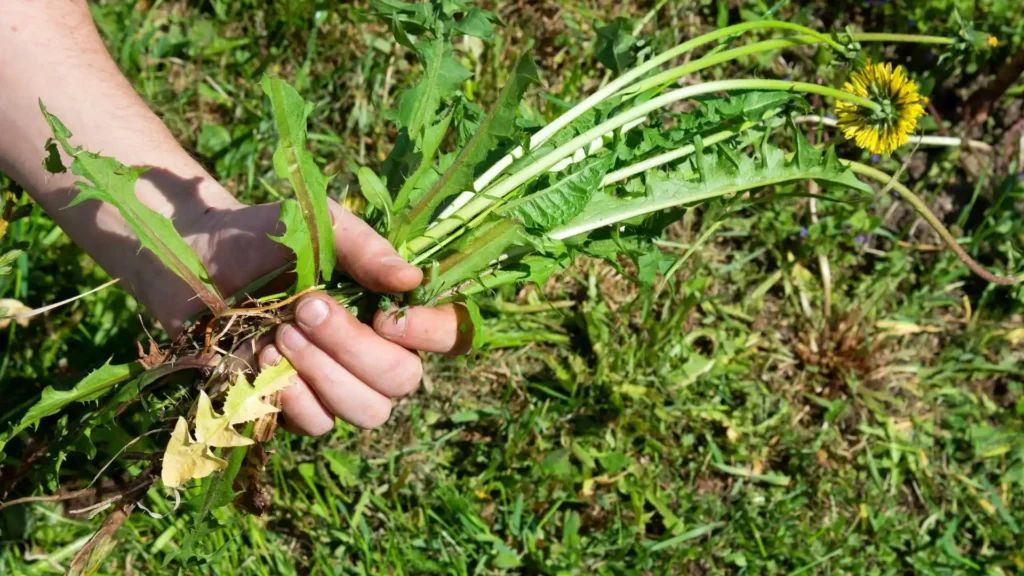
Weeds are persistent because they are designed to be. A single crabgrass plant produces up to 150,000 seeds before dying in fall. A dandelion releases seeds constantly through its growing season. Those seeds fall into your soil and remain viable for years, waiting for the right conditions to germinate. Killing visible weeds removes the plants but leaves the seed bank completely intact.
The conditions weeds need to germinate successfully are open soil, sunlight at ground level, and an absence of competing plants. Thin, compacted turf provides all three. Bare spots from dying grass plants, areas where roots have gone shallow from compaction, and patches where disease or drought killed the turf are all prime weed habitat. Until those conditions are corrected, weeds will continue finding what they need to establish.
In Northwest Arkansas, the transitional climate creates year-round weed pressure. Summer annual weeds like crabgrass peak from spring through fall. Winter annual weeds like henbit and chickweed establish in fall and are already large plants by spring. Perennial weeds like dandelion, clover, and wild violet come back from established root systems every year. There is no off-season for weed management in our region.
What Most Homeowners Get Wrong
The most common mistake is reactive treatment only. Spraying weeds when they appear addresses the visible problem without preventing the next generation from germinating. Without pre-emergent applications in late February and September, new weed seeds in the soil germinate on schedule every season regardless of how many times you spray post-emergent product.
The second mistake is treating weeds without thickening the turf. Every bare spot in your lawn is a future weed location. Kill the weeds, leave the bare soil, and new seeds fill those spots within weeks. Overseeding to establish grass in bare areas is the only way to eliminate the open soil that weeds need.
Soil compaction is the third overlooked factor. Compacted soil creates thin, stressed turf that cannot compete with weeds. It also creates the low-moisture, low-nutrient surface conditions that many weed species are specifically adapted to thrive in. Without addressing compaction through aeration, the turf never builds the density needed to suppress weeds naturally.
What Actually Works
A weed control service that prevents annual recurrence combines four elements: pre-emergent herbicide on the correct seasonal schedule, post-emergent treatment for active weeds correctly matched to species, aeration to build turf density and eliminate the compaction that weakens grass, and overseeding to fill bare areas so weeds have nowhere to establish.
This is not a single-season fix. The first year of a complete program reduces weed pressure significantly. The second year is better because the seed bank is partially depleted and the turf is denser. By the third year, many lawns running this program have reduced weed pressure to a level that requires minimal reactive treatment because the turf itself is doing most of the suppression work.
Lawn fertilization also plays a role. Underfed turf is weaker and less competitive. A well-fed lawn grows more aggressively, fills in thin spots faster after overseeding, and shades the soil more completely, all of which reduce the conditions weeds need to establish.
How This Applies in Northwest Arkansas
Rogers lawns with tall fescue are particularly vulnerable to annual weed recurrence because tall fescue does not spread laterally. When fescue plants die, the bare spots they leave are permanent until new seed is introduced. Without annual overseeding, those spots accumulate year over year, creating an ever-expanding area of open soil for weeds to colonize.
The clay soil across Northwest Arkansas also contributes to weed recurrence by creating the compacted, stressed turf conditions that favor weed establishment. Homeowners who add annual aeration to their weed control program consistently see weed pressure decrease year over year because the turf health improvement directly reduces weed habitat.
The combination of NWA clay soil, transitional climate weed cycles, and tall fescue growth behavior makes this region one where weed management cannot be reduced to a single application. The full seasonal program is not optional if the goal is keeping weeds from returning.
Get a Lawn Care Plan That Works
At 1st Impressions Lawn and Tree, we build weed control programs that address all the underlying causes of annual weed recurrence, not just the visible weeds. Pre-emergent timing, correct product selection, aeration, overseeding, and fertilization are coordinated into a single program that gets better results every season it runs.
Tired of the same weeds every year? Contact 1st Impressions Lawn and Tree and let us build a program that breaks the cycle.