Introduction
Winter weather in Northwest Arkansas can be unpredictable.
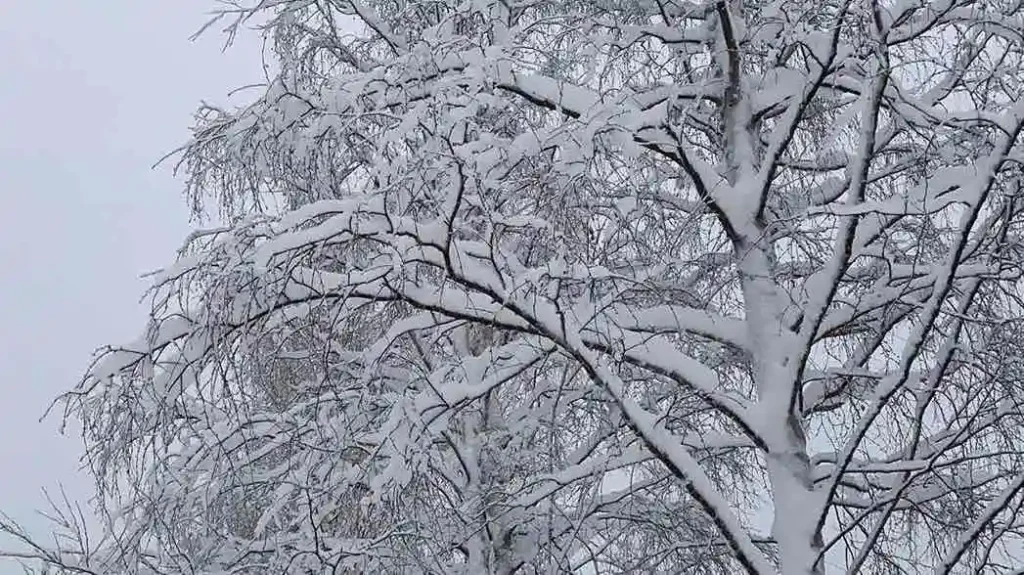
One week may bring relatively mild temperatures, while the next brings freezing rain, strong winds, and ice-covered trees.
For homeowners, one of the biggest concerns during an ice storm is the damage that can occur to mature trees.
Branches that normally support their own weight may bend dramatically under accumulated ice. Large limbs can split, weak branch attachments can fail, and entire trees may become unstable.
In neighborhoods throughout Rogers, Bentonville, Springdale, and Fayetteville, established trees provide valuable shade, privacy, and curb appeal.
But when severe winter weather arrives, those same trees can become a concern if they have structural weaknesses or existing damage.
At 1st Impressions Lawn & Tree, we believe the best approach to storm protection begins before freezing rain appears in the forecast.
Understanding which trees are more vulnerable, recognizing warning signs, and maintaining healthy growing conditions can help reduce avoidable damage.
While no amount of maintenance can guarantee that a tree will survive every storm, preventive care can make a meaningful difference.
Understanding How Ice Storms Damage Trees
Freezing rain occurs when liquid precipitation freezes after contacting surfaces that are at or below freezing.
As ice accumulates on branches, twigs, and leaves, the additional weight increases stress on the tree.
Ice Adds Significant Weight to Branches
Even a relatively thin layer of ice can add substantial weight across a large canopy.
When ice coats thousands of small branches, the combined load can become significant.
Branches may bend, crack, or break under the added pressure.
Wind Increases the Risk of Failure
Ice accumulation is especially dangerous when combined with strong winds.
Wind places additional force on branches that are already carrying extra weight.
A limb that might withstand ice alone may fail when wind causes it to move.
Existing Structural Weaknesses Become More Dangerous
Trees with weak branch attachments, cracks, decay, or poorly distributed canopy weight may be more likely to experience damage.
These problems can exist for years before a winter storm exposes them.
Why Northwest Arkansas Trees Are Vulnerable to Ice Storms
Northwest Arkansas experiences winter conditions that can include freezing rain, snow, and rapid temperature changes.
The region’s hills, valleys, and changing elevations can contribute to differences in local weather conditions.
Freezing Rain Can Affect Entire Neighborhoods
An ice storm may coat trees across residential properties, roadsides, and wooded areas.
Damage severity depends on ice thickness, wind, tree species, and existing structural conditions.
Local Soil Conditions Influence Root Stability
Many properties across the Ozark Plateau contain rocky or cherty surface soil over clay-rich subsoil.
Some residential developments also contain compacted construction fill.
These conditions can affect root development and drainage.
A tree with restricted roots or poorly drained soil may be more vulnerable to certain types of stress.
Saturated Soil Can Increase Uprooting Risk
When soil becomes heavily saturated, root anchorage may be reduced in some situations.
Strong winds combined with a heavy canopy can increase the risk of uprooting.
However, not every tree growing in wet soil is unstable.
The actual risk depends on root condition, species, soil depth, and other factors.
Tree Species That May Be More Vulnerable
Some trees are more likely to experience structural damage because of their natural growth habits.
Others become vulnerable because of age, previous injuries, or improper pruning.
Bradford Pear Trees
Bradford pears are well known for their tendency to develop narrow branch angles and weak attachments.
As the canopy matures, major limbs may split away from the trunk.
Ice accumulation can increase the likelihood of these failures.
Bradford pears are also invasive in many areas and are generally not recommended for new planting.
Mature Oak Trees
Oaks can develop strong structures when healthy and properly maintained.
However, mature oaks with large limbs, internal decay, or previous storm injuries may experience significant damage.
A large oak branch can create serious hazards if it fails near a house, driveway, or walkway.
Fast-Growing Shade Trees
Some fast-growing species develop relatively weak wood or branch structures.
These trees may be more susceptible to breakage when ice and wind occur together.
Evergreen Trees
Evergreens retain foliage throughout winter, which can provide additional surfaces for ice accumulation.
Junipers, arborvitae, and other evergreens may bend or spread under heavy ice loads.
Some recover after thawing, while others sustain permanent structural damage.
Recognizing Structural Weaknesses Before Winter
One of the most useful preventive steps is inspecting trees before severe weather arrives.
Homeowners can look for visible warning signs from the ground.
Narrow Branch Attachments
Branches that grow at sharp angles may develop weak connections to the trunk.
Some contain included bark, which can reduce the strength of the attachment.
These areas may be more likely to split under heavy loads.
Cracks in the Trunk or Major Limbs
Visible cracks can indicate structural stress.
Fresh cracks, particularly those extending into major branch unions, deserve professional attention.
Dead or Hanging Branches
Dead limbs can break during wind, snow, or ice events.
Hanging branches left from previous storms can also create hazards.
Decay and Cavities
Fungal fruiting bodies, soft wood, and cavities may indicate internal decay.
However, the presence of a cavity does not automatically mean the tree must be removed.
A qualified arborist can evaluate the extent of decay and the tree’s structural condition.
Leaning Trees
Some trees naturally grow at an angle.
A newly developed lean, especially when accompanied by soil movement or exposed roots, is more concerning.
Preventive Pruning Before Ice Storm Season
Appropriate pruning can help improve tree structure and reduce certain risks.
However, excessive or improper pruning can weaken trees.
Removing Dead and Damaged Branches
Dead or broken limbs may be removed before winter when conditions permit.
This can reduce the amount of loose material that might fall during a storm.
Improving Branch Structure
Young trees may benefit from structural pruning that encourages a strong central leader and well-spaced branches.
Correcting weak growth patterns early is often easier than addressing large structural defects in mature trees.
Reducing Excessive End Weight
In selected cases, a qualified arborist may recommend reducing weight on long or overextended limbs.
The goal is to improve load distribution without removing excessive foliage.
Avoid Tree Topping
Topping removes large portions of a tree’s canopy and often encourages weakly attached regrowth.
It can also create large wounds and increase long-term maintenance problems.
Topping is not a recommended method of protecting trees from ice storms.
The Importance of Healthy Roots and Soil
Tree stability depends on more than the visible trunk and branches.
A healthy root system supports water uptake, nutrient absorption, and anchorage.
Avoid Soil Compaction Around Trees
Heavy vehicles, construction equipment, and repeated traffic can compact soil around roots.
Compaction reduces air spaces and can restrict root growth.
This is particularly relevant in Northwest Arkansas subdivisions where construction activity may have disturbed the original soil.
Maintain Appropriate Mulch
A layer of organic mulch can help moderate soil temperature and retain moisture.
For many landscape trees, approximately 2–3 inches of mulch is appropriate when applied over the root area.
Keep mulch away from direct contact with the trunk.
Avoid Mulch Volcanoes
Piling mulch against the trunk can trap moisture and conceal problems around the root flare.
Over time, improper mulching may contribute to bark deterioration or unfavorable root conditions.
Protect the Root Zone During Construction
Excavation, grading, and soil compaction near mature trees can damage important roots.
Root injury may not produce obvious canopy symptoms immediately.
Maintaining a protected root zone is an important part of long-term tree care.
Deep Root Fertilization and Tree Health
Fertilization may be useful for trees with confirmed nutrient deficiencies or specific growing limitations.
However, fertilizer does not directly strengthen weak branch attachments or prevent ice damage.
Soil Testing Comes First
The University of Arkansas Cooperative Extension Service provides soil-testing resources through county offices.
Testing can help identify soil fertility and pH concerns.
Many Northwest Arkansas soils are naturally acidic, but actual conditions vary.
Avoid Unnecessary Fertilization
Applying nutrients without identifying a need may not improve tree health.
Excessive fertilizer can also create problems.
Professional deep root fertilization may be considered when a tree’s condition and soil assessment support the treatment.
Structural Problems Require Different Solutions
A tree with a cracked trunk or weak branch union will not become structurally sound simply because it receives fertilizer.
These concerns require an appropriate tree-risk evaluation.
Preparing Your Property Before a Winter Storm
Homeowners can take several practical steps before freezing rain arrives.
Inspect Trees Near Important Areas
Pay particular attention to trees near:
- Homes and garages
- Driveways
- Walkways
- Outdoor seating areas
- Fences
- Utility lines
- Children’s play areas
The location of a tree matters when evaluating potential consequences of branch failure.
Remove Loose Objects From the Yard
Outdoor furniture, decorations, and other unsecured items may be damaged during severe weather.
Moving them to protected locations can reduce unnecessary hazards.
Keep Access Areas Clear
Make sure pathways and driveways are reasonably clear before the storm.
Avoid storing equipment beneath trees with visible structural defects.
Arrange Professional Inspections Early
Tree services may become busy after major storms.
Scheduling inspections before winter can provide more time to evaluate and address known concerns.
What to Avoid During an Ice Storm
Some common attempts to protect trees can create additional hazards.
Do Not Shake Ice-Covered Branches
Shaking branches can cause brittle, heavily loaded wood to break.
Falling ice and limbs may injure anyone standing underneath.
Avoid Striking Branches With Tools
Hitting branches with poles, rakes, or other equipment can damage bark and wood.
It may also cause sudden branch failure.
Do Not Climb Ice-Covered Trees
Ice makes branches and climbing surfaces extremely slippery.
Tree climbing during severe winter weather is dangerous.
Stay Away From Power Lines
Never touch branches that are contacting electrical lines.
Do not attempt to remove limbs from utility lines yourself.
If a power line is down or a tree is in contact with electrical equipment, stay clear and contact the utility provider or emergency services as appropriate.
Inspecting Trees After the Ice Melts
Once conditions are safe, homeowners can inspect trees from the ground.
The goal is to identify obvious damage without placing anyone beneath unstable branches.
Look for Broken Limbs
Branches may remain partially attached after an ice storm.
These hanging limbs can fall unexpectedly.
Check Major Branch Unions
Inspect visible branch attachments for splitting or fresh cracks.
Large structural injuries deserve professional evaluation.
Watch for Changes in Tree Lean
A tree that suddenly leans more than before may have experienced root movement.
Cracked soil or lifted roots near the base are additional warning signs.
Examine the Trunk
Look for fresh wounds, bark separation, or significant cracks.
Not every wound requires removal, but major structural damage should not be ignored.
Helping Trees Recover From Storm Damage
Recovery depends on the species, age, health, and extent of damage.
Some trees can recover from limited branch loss.
Others may have structural damage that makes preservation unsafe or impractical.
Proper Pruning of Broken Branches
Broken limbs should be removed using appropriate pruning methods.
Clean cuts near the branch collar help support the tree’s natural wound response.
Avoid leaving long stubs or cutting flush against the trunk.
Avoid Wound Paints
Routine application of wound paint or sealants is generally not recommended for most pruning wounds.
Trees naturally compartmentalize injured tissue.
Maintain Consistent Soil Moisture
During the growing season, appropriate watering can support recovery.
Avoid both prolonged drought and excessive irrigation.
Monitor for Secondary Problems
Storm-damaged trees may become more vulnerable to certain insects or diseases.
Our tree and shrub disease services can help address suspected disease concerns when symptoms develop.
Deciding Whether a Damaged Tree Can Be Saved
Not every storm-damaged tree needs to be removed.
However, some injuries create unacceptable safety risks.
Factors That Influence Recovery
A professional evaluation may consider:
- Percentage of canopy lost
- Size and location of broken limbs
- Trunk condition
- Root stability
- Presence of decay
- Species and growth habit
- Age and overall health
- Proximity to structures or frequently used areas
Young Trees May Recover More Easily
Young trees often have greater flexibility for corrective pruning and future structural development.
Mature Trees Require Careful Evaluation
Large trees provide substantial landscape value, but major structural defects can be difficult to correct.
A qualified arborist can help determine whether pruning, monitoring, support systems, or removal is appropriate.
Long-Term Tree Care for Northwest Arkansas Properties
Ice storm preparation should be part of an ongoing tree maintenance plan.
Trees respond to their growing environment over many years.
Inspect Trees Regularly
Annual visual inspections can help identify developing problems.
Additional evaluations may be appropriate after major storms or significant construction activity.
Maintain Healthy Growing Conditions
Appropriate watering, mulching, and soil management support long-term tree health.
Choose Suitable Trees for New Plantings
When planting new trees, consider mature size, branch structure, soil conditions, and regional climate.
Avoid placing large-growing species too close to structures or utility lines.
Address Problems Before They Become Emergencies
A small structural issue in a young tree may be easier to correct than a large defect in a mature tree.
Preventive care can reduce some risks, although severe storms can still damage healthy trees.
Frequently Asked Questions
Which trees are most likely to break during an ice storm?
Trees with weak branch attachments, existing decay, large overextended limbs, or brittle wood may be more vulnerable. Bradford pears are particularly known for splitting because of their branch structure. However, any tree can experience damage during severe ice accumulation.
Should I remove ice from tree branches?
Generally, no. Shaking, striking, or pulling on ice-covered branches can cause breakage and personal injury. Allow ice to melt naturally and stay away from branches that appear unstable.
Can pruning prevent ice storm damage?
Proper structural pruning can reduce certain risks by removing dead limbs and improving branch structure. However, pruning cannot guarantee that a tree will survive a severe ice storm. Excessive pruning or topping can create additional problems.
Will a tree recover after losing branches to ice?
Many trees can recover from limited branch damage if the trunk, roots, and remaining canopy are healthy. Recovery depends on the species and severity of injury. Major trunk splits or root instability require professional evaluation.
When should I have my trees inspected in Northwest Arkansas?
Fall is a practical time to inspect trees before winter storms, although inspections can be performed throughout the year. Trees should also be evaluated after major storms, when new cracks appear, or when significant changes in leaning or branch condition are observed.
Final Thoughts
Ice storms are part of the weather challenges homeowners may face in Northwest Arkansas.
While freezing rain cannot be prevented, understanding tree structure and maintaining healthy growing conditions can help reduce avoidable damage.
Bradford pears, mature trees with structural defects, and trees growing in compromised soil conditions may require particular attention.
Preventive pruning, root protection, proper mulching, and regular inspections all contribute to a more thoughtful approach to tree care.
At 1st Impressions Lawn & Tree, we encourage homeowners throughout Rogers, Bentonville, Springdale, Fayetteville, and surrounding Northwest Arkansas communities to evaluate trees before winter weather creates an emergency.
The goal is not to remove every tree that might experience storm damage.
It is to identify meaningful risks, preserve healthy trees when possible, and make informed decisions about long-term landscape safety.
With consistent care and timely professional evaluation, homeowners can better protect their properties while maintaining the beauty and value of their trees.