Introduction
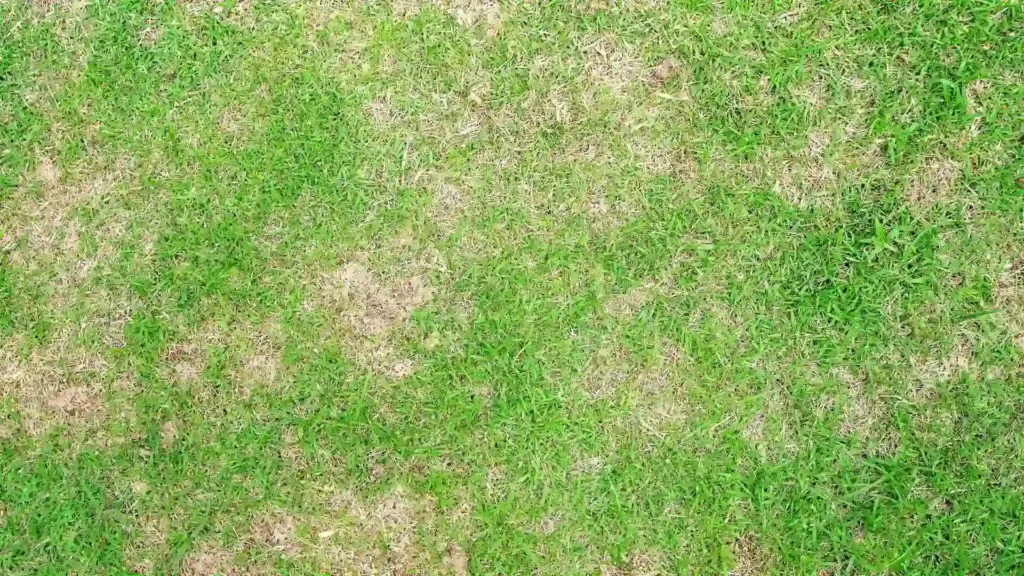
You get your first warm weekend of the year and head out to check on the lawn. Most of it is starting to show color, tinges of green coming back after months of dormancy. But there are spots, sometimes small patches, sometimes large irregular areas, that are just not coming back.
Dead spots after winter are one of the most common lawn concerns we hear from homeowners in Rogers, Bentonville, Springdale, and Fayetteville as the season turns. And the cause is not always obvious. A dead-looking area in March or April could be dormant grass that needs a few more warm weeks. It could be grass that was genuinely killed by cold. It could be a disease that set in during fall and overwintered in the soil. Or it could be something as simple as a dog repeatedly using one corner of the yard.
Getting the diagnosis right determines whether you wait, treat, or reseed. Here is how to work through it.
Dormant Grass vs. Dead Grass: How to Tell the Difference
The first and most important question is whether the grass is actually dead or still dormant. Warm-season grasses like Bermuda and Zoysia go fully dormant in winter and turn brown. This is normal. Cool-season grasses like tall fescue typically stay greener through winter but can brown significantly in cold stretches.
The tug test is the most reliable way to distinguish dormant grass from dead grass. Grab a small handful of the brown turf and pull firmly. Dormant grass has an intact root system and will resist the pull, staying anchored in the soil. Dead grass with a destroyed or rotted root system pulls away easily, often coming up in mats with little or no soil attached.
If the turf holds firm, the grass is likely still dormant and recovery may simply be a matter of time and warmer temperatures. If it pulls up easily, the roots are gone and that area will need intervention.
Winter Kill from Cold and Freeze Damage
Extended periods of hard freezing temperatures, especially without snow cover to insulate the soil, can kill grass crowns that would otherwise survive a typical Northwest Arkansas winter. Late freezes in March or early April, after the grass has begun breaking dormancy and is no longer in its most cold-hardy state, are particularly damaging.
Bermuda is more cold-sensitive than Zoysia and is more susceptible to winter kill in severe seasons. Thin, stressed turf going into winter is always more vulnerable than dense, well-nourished grass.
Winter kill damage typically appears as irregular brown areas that do not follow any particular pattern. The surrounding grass comes back normally while the damaged sections stay brown. Thinly established areas and low spots where cold air settles are often hit hardest.
Snow Mold and Winter Lawn Disease
Snow mold is a fungal disease that develops under snow cover or in cold, wet conditions without snow. In Northwest Arkansas, pink snow mold is the variety most commonly encountered. It appears as circular patches of matted, discolored grass, ranging from a few inches to a foot or more in diameter, often with a pinkish or grayish tone to the affected area.
Snow mold develops when conditions are cold and wet for extended periods, typically when snow sits on unfrozen ground or during prolonged cold, damp stretches in late winter and early spring. Lawns that went into fall with heavy thatch or excessive nitrogen applied late in the season are more susceptible.
Mild cases of snow mold often recover on their own as temperatures warm and the lawn dries out. Raking affected areas lightly to break up the matted grass and improve air circulation helps speed recovery. Severe cases may require fungicide treatment and overseeding of damaged sections.
Animal Damage Over Winter
Voles, which are small mouse-like rodents, create surface runways under snow and through turf over winter. When snow melts in spring, their activity is revealed as winding trails of dead or matted grass across the lawn. Vole damage is distinctive because it follows irregular paths rather than appearing as random patches.
Dog spots are another common source of post-winter dead areas. Repeated urine contact kills grass through salt and nitrogen overload. These spots are typically round, often with a greener ring of grass surrounding a brown center from the diluted nitrogen at the edges.
Animal damage is cosmetic rather than a sign of a systemic lawn problem. Vole trails typically recover well with light raking and overseeding. Dog spots benefit from heavy watering to flush the soil, followed by reseeding once the soil chemistry normalizes.
Dormant Seeding Gone Wrong
Some homeowners overseed in fall hoping new grass establishes before winter. When this is done too late or the seed is not given adequate time to germinate and establish, the seedlings may not survive the winter. This leaves thin or bare areas in spring that look like dead spots but are actually simply unestablished seed areas.
If you overseeded late in fall and are seeing poor coverage in spring, reseeding in the appropriate window for your grass type is the solution. For fescue, that window is early fall. For warm-season grasses, late spring is more appropriate.
How to Respond to Post-Winter Dead Spots
Once you have identified the likely cause of a dead area, the response depends on what you found.
Dormant grass: Wait. Warm-season grasses can be slow to break dormancy, sometimes lagging weeks behind the surrounding lawn if the area gets less sun or has heavier soil. Give it through late April or early May before concluding the area is truly dead.
Winter kill or disease damage: Rake away dead material, lightly aerate if the soil is compacted, and reseed or spot sod once overnight temperatures are consistently above 50 degrees. Apply a starter fertilizer to support new root development rather than a high-nitrogen product.
Snow mold: Rake affected areas to break up matted growth, improve air circulation, and allow sunlight to reach the soil. Mild cases will recover. Severe or persistent cases may benefit from a fungicide application and overseeding.
Animal damage: Rake vole trails and overseed. Water dog spots heavily to flush the soil, then reseed after two to three weeks. Consider lawn edging or deterrents to reduce future access in affected areas.
Frequently Asked Questions
Q: How long should I wait before deciding a dead spot is not going to recover?
A: For warm-season grasses, give it until late April to mid-May. If there is still no sign of green growth in the area while the surrounding lawn has fully greened up, the grass in that spot is not coming back on its own. Cool-season grasses that have not shown recovery by mid-April in a dead area should be evaluated for reseeding.
Q: Should I fertilize dead spots in early spring to help them recover?
A: Not with high-nitrogen fertilizer. Applying aggressive nitrogen to turf that is still dormant or stressed can cause more harm than help. A light application of a balanced starter fertilizer after reseeding supports establishment without overloading stressed roots.
Q: My dead spots are the same places that were thin last fall. Is that connected?
A: Almost certainly. Thin turf going into winter is significantly more vulnerable to cold injury, disease, and desiccation. Areas that were weak in fall are the ones most likely to show winter damage in spring. Addressing the underlying thinness through aeration, overseeding, and a fall fertilization program is the best protection for the following winter.
Q: Can I reseed over dead areas without removing the old grass?
A: For small areas, lightly raking away dead material and roughing up the soil surface before seeding gives new seed the soil contact it needs to germinate. For larger areas with thick mats of dead turf, removing the dead material first produces significantly better results.
Q: Are the same spots likely to die again next winter?
A: If the underlying conditions are not addressed, yes. Areas with thin turf, poor drainage, soil compaction, or disease history are likely to experience recurring winter damage. A treatment program that builds turf density and soil health going into fall creates the best protection against repeating the same problem.
Q: Can a lawn care company tell me for certain why my dead spots happened?
A: An experienced lawn care professional can identify the most likely cause based on the pattern, location, and appearance of the damage along with the history of the lawn. In some cases, a definitive diagnosis requires sending a sample to a lab, but in most residential situations a visual assessment is enough to determine the right course of action.
Conclusion
Post-winter dead spots are frustrating but almost always fixable. The key is identifying the cause before reaching for a solution, because dormant grass, winter-killed grass, snow mold, and animal damage all look similar from a distance but call for different responses.
Start with the tug test. Look at the pattern of the damage. Consider what the fall and winter conditions were like and whether there were any known stressors going into the dormant season. Most dead areas can be repaired with the right approach, and the underlying conditions that led to them can be corrected so the same areas do not repeat the problem next year.
At 1st Impressions Lawn and Tree, we help homeowners across Rogers, Bentonville, Springdale, and Fayetteville diagnose and recover from winter lawn damage and put programs in place that build stronger turf going into each fall. Call (479) 426-4644 or email info@1stimpressionslawntree.com for a free spring lawn evaluation. Better Lawn. Better Living.